Cart
0
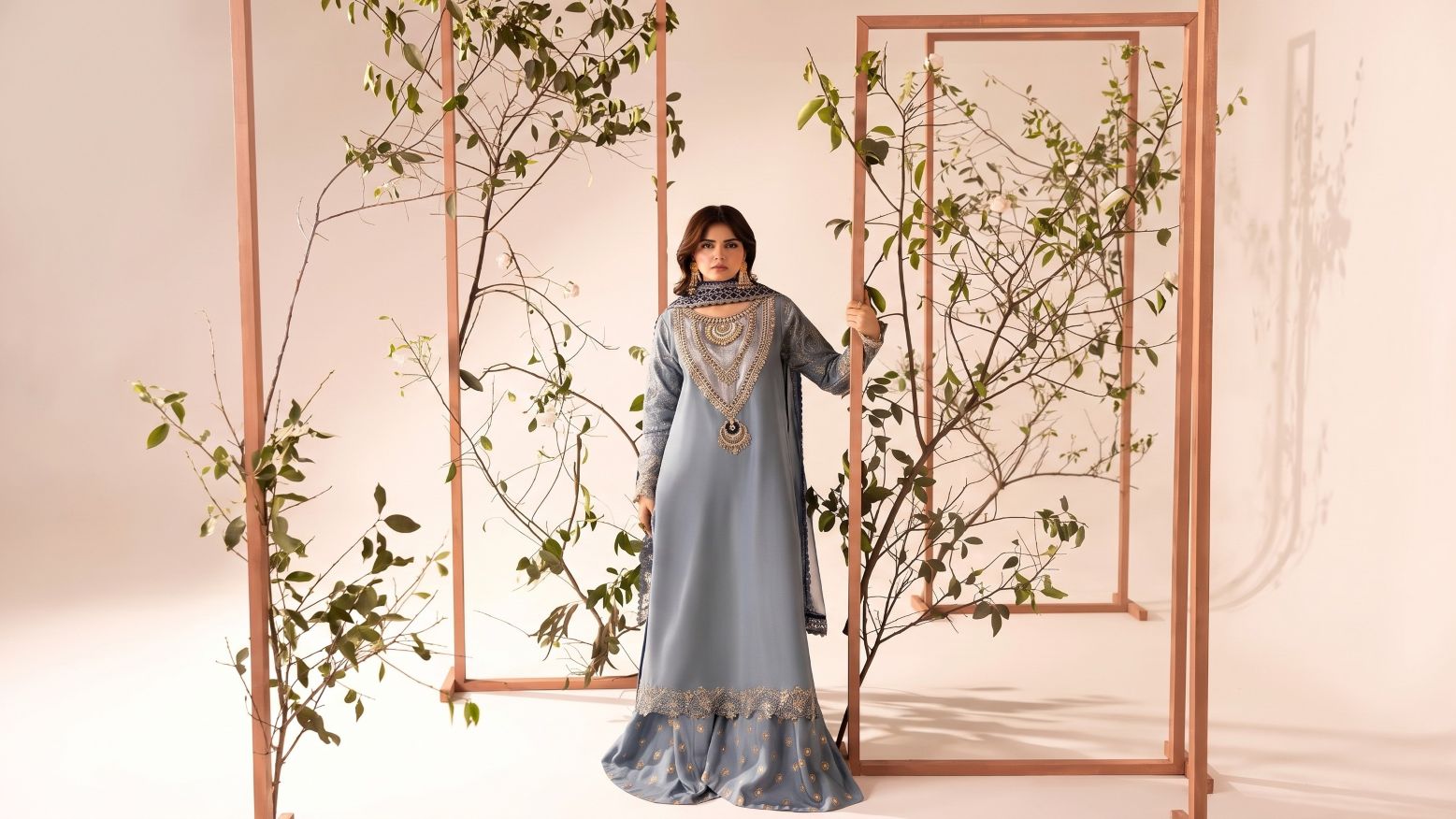
Fashion trends come and go, but some crafts always find their way back into the spotlight. In 2026, Zardozi returned to the spotlight, showing that traditional craftsmanship continues to hold exceptional worth in the fashion industry. From bridal couture to luxury pret, this ancient art form is once again becoming a favorite among designers and fashion lovers. As one of the most celebrated forms of Traditional Embroidery, Zardozi is not just a trend it is a statement of elegance, heritage, and craftsmanship.
In recent years, fashion shopping habits have changed noticeably. Consumers are no longer relying only on mass-produced apparel; instead, they are becoming more attracted to handmade and artisan-crafted clothing. Industry reports indicate that interest in artisan-made garments has grown by almost 30% since 2024, showing a strong shift toward unique, handcrafted fashion pieces. This rise clearly reflects how Traditional Embroidery is becoming more important in modern fashion.
Why Traditional Embroidery Is Rising Again in 2026

The return of Traditional Embroidery is connected to changing buyer preferences. Modern customers want more than just stylish clothing; they want authenticity, uniqueness, and cultural meaning. Zardozi perfectly fits these expectations because every piece carries visible craftsmanship.
Unlike machine-made embellishments, Zardozi requires hours of handwork, making each outfit feel exclusive. Social media has also played a huge role in this revival. Luxury bridal campaigns and celebrity fashion shoots featuring heavy embroidery have increased interest among younger buyers.
The biggest reasons behind this comeback include:
-
Demand for handmade fashion is increasing
-
Buyers prefer quality over quantity
-
Sustainable fashion is gaining popularity
-
Heritage-inspired outfits are trending globally
This has made Traditional embroidery designs more valuable than ever before.
What Makes Zardozi Unique in Traditional Embroidery
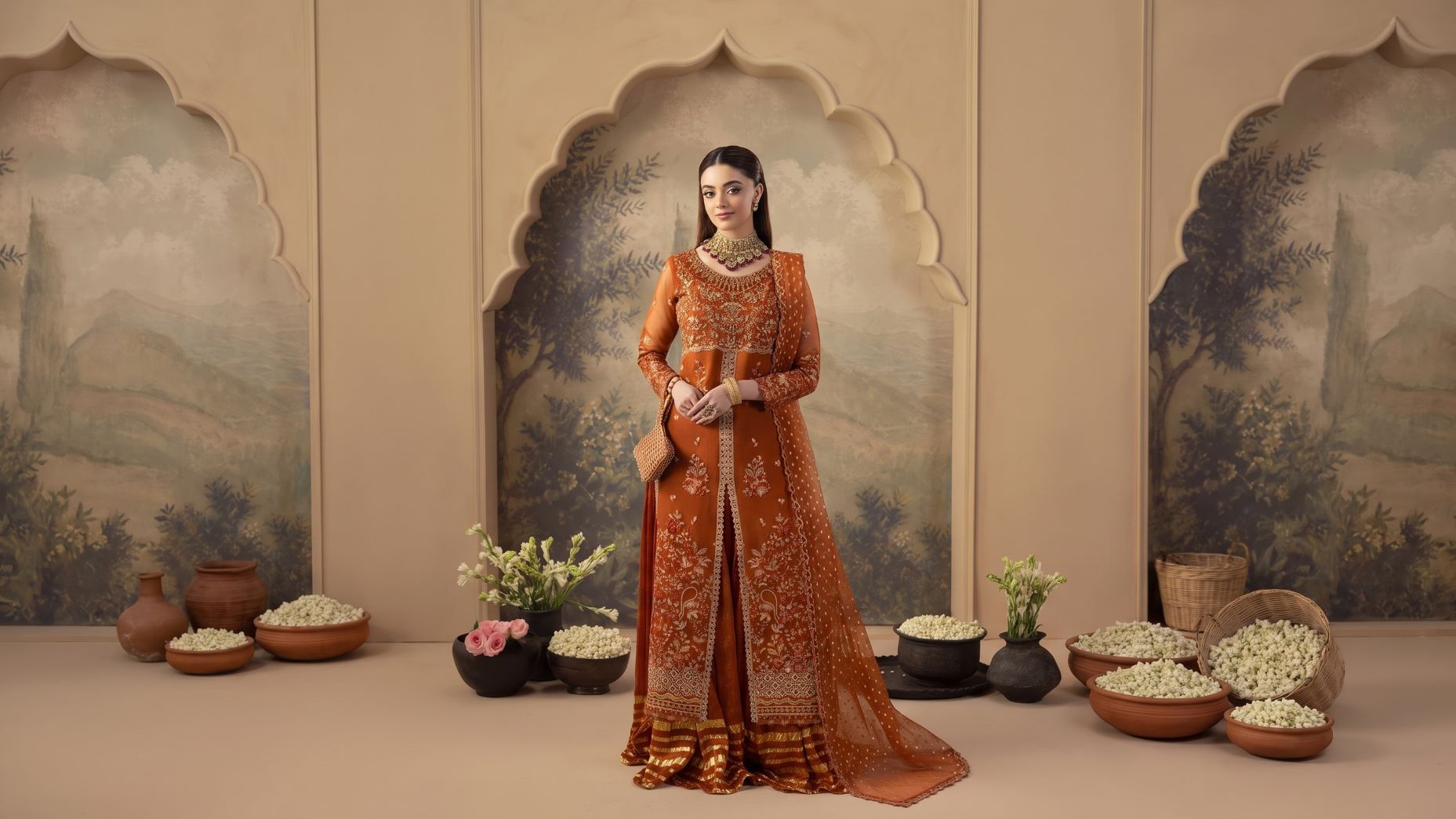
Among all forms of Traditional Embroidery, Zardozi stands out because of its rich appearance and luxurious details. It uses metallic threads, pearls, sequins, beads, and decorative wires to create raised and textured patterns.
This embroidery style gives garments a royal finish that feels difficult to replace with modern alternatives. It adds weight, shine, and depth to fabric, making it especially popular for weddings and formal events.
Some materials commonly used in Zardozi include:
-
Tilla threads
-
Dabka wire
-
Pearls
-
Stones
-
Sequins
These details are what separate Zardozi from many other types of embroidery on clothes.
The Historical Roots of Traditional Embroidery
Zardozi has deep roots in history. It originated in Persia and later became highly popular in the Mughal era, where royal families used it for garments and decorative fabrics. During that time, actual gold and silver threads were used, making it a symbol of wealth and status.
As time passed, the craft spread across South Asia and became an important part of cultural clothing traditions. Even today, many bridal dresses are inspired by these centuries-old techniques.
The historical significance of Traditional Embroidery can be understood through its role in preserving art, identity, and craftsmanship across generations. This long-standing heritage is one of the main reasons it remains relevant in 2026.
Traditional Embroidery Techniques Behind Zardozi Craftsmanship
Zardozi is one of the most complex Traditional embroidery techniques because it requires precision, patience, and skill. Every design starts with a pattern sketch, which is transferred onto fabric before the actual stitching begins.
Artisans then stretch the fabric on a frame and carefully add decorative elements one by one. Unlike simpler embroidery methods, Zardozi involves layering, which creates its rich texture.
The process usually follows these stages:
-
Pattern drawing
-
Fabric framing
-
Thread placement
-
Final finishing
These Traditional embroidery techniques can take several weeks to complete, especially for bridal wear.
Why Traditional Embroidery Designs Feel More Luxurious Today
Luxury in fashion has changed a lot over the last few years. In the past, expensive clothing was often judged by brand names. Today, craftsmanship is becoming the real definition of luxury. This shift has increased the importance of traditional embroidery designs.
People now appreciate the amount of time and effort that goes into handcrafted work. A heavily embroidered dress can take hundreds of hours, making it more than just clothing. It becomes wearable art.
Fashion analysts report that handcrafted luxury wear has a 35% higher market value compared to machine-made alternatives. This makes Traditional Embroidery not only fashionable but also a smart long-term investment.
The Importance of Traditional Embroidery of Pakistan

Pakistan has always been known for its rich textile heritage, and traditional embroidery of Pakistan continues to play a major role in the fashion industry. From bridal wear to formal collections, embroidery remains one of the strongest features of Pakistani fashion.
Popular styles include Zardozi, Phulkari, Resham, and Tilla work. However, Zardozi remains the most luxurious among them because of its detailed finishing and premium appearance.
The strength of traditional embroidery of Pakistan can be seen in:
-
Wedding collections
-
Formal wear launches
-
Luxury pret outfits
-
Festive seasonal collections
This deep link to culture has enabled Pakistani brands to attract recognition on the global stage.
Traditional Embroidery Stitches That Bring Zardozi to Life
The beauty of Zardozi depends on multiple traditional embroidery stitches working together. These stitches create texture, hold decorative elements, and define the overall pattern.
Among the most widely used stitches are chain stitch, satin stitch, couching stitch, and running stitch. Each stitch has its own purpose. For example, couching helps secure metallic threads, while chain stitches create outlines.
These traditional embroidery stitches make the work durable and detailed, which is why many Zardozi outfits are preserved for years and sometimes passed down as family heirlooms.
Types of Embroidery on Clothes That Are Trending Alongside Zardozi
Although Zardozi is dominating the luxury fashion market, other types of embroidery on clothes are also trending in 2026. Designers are experimenting with various embroidery forms to meet different customer preferences.
Some popular embroidery trends this year include:
-
Mirror work for festive wear
-
Thread embroidery for casual outfits
-
Sequin embroidery for party dresses
-
Floral Resham embroidery for summer collections
Even with all these options, Zardozi continues to hold its place because of its unmatched richness and timeless appeal.
Why Younger Buyers Are Falling in Love with Traditional Embroidery
A major reason behind the return of Traditional Embroidery is the interest shown by younger buyers. Gen Z and Millennials are now embracing handcrafted fashion because it feels more personal and meaningful.
Instead of wearing outfits that everyone else owns, they prefer pieces with individuality. Zardozi gives them that uniqueness. It also connects them with culture while keeping their style modern.
Recent fashion surveys show:
-
52% of buyers under 35 prefer handcrafted clothing
-
46% are willing to pay extra for detailed embroidery
-
40% see embroidery as a form of self-expression
This shows that the future of embroidered fashion is secure.
The Future of Traditional Embroidery in Fashion
Looking ahead, the future of Traditional Embroidery appears strong. Designers are now mixing heritage techniques with modern cuts, creating outfits that feel fresh while preserving traditional art.
Fashion experts predict that by 2027, handcrafted fashion could grow another 20%. This means embroidery will continue expanding beyond bridal wear into casual luxury, office wear, and modern semi-formals. As technology evolves, AI may help with design ideas, but the actual handwork will always remain irreplaceable. That human touch is what gives Zardozi its real value.
Refresh Your Style with Zahra Rubab’s Latest Women’s Fashion
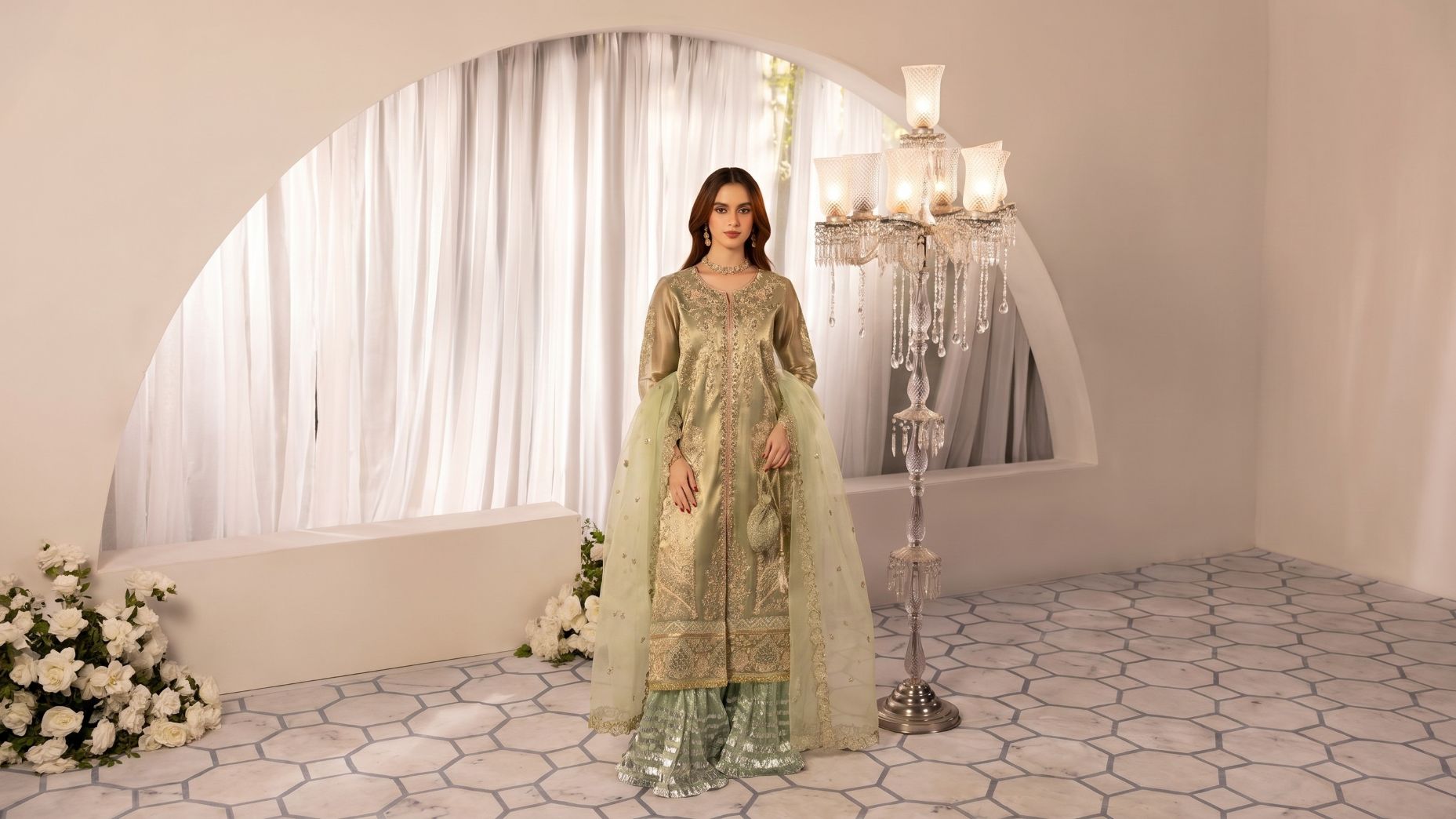
If you want to experience the beauty of handcrafted fashion in a modern way, Zahra Rubab offers some of the finest collections for women in Pakistan. Their designs combine heritage with trend, making them ideal for women who appreciate quality and elegance.
From bridal wear to formal and casual pret, Zahra Rubab’s collections include timeless pieces inspired by craftsmanship and detail. Their signature collections such as Zardozi, Phulkaari, Luxe, Tahwar, and Ittar are designed to make every occasion feel special.
Whether you are preparing for a wedding, festive event, or simply updating your wardrobe, Zahra Rubab offers styles that celebrate both tradition and modern fashion.
Conclusion
The return of Zardozi in 2026 proves that timeless craftsmanship still has a strong place in today’s fashion industry. As people continue to appreciate quality, detail, and cultural heritage, this centuries-old art form is gaining even more recognition. Its rich history and handcrafted beauty make it a lasting symbol of elegance rather than just a seasonal trend.
In the evolving world of fashion, the growing popularity of Traditional embroidery designs shows that heritage-based clothing remains highly valuable. With increasing demand for artisan-made outfits and luxury wear, Zardozi is set to remain an essential part of modern wardrobes for years to come.
FAQ’s
-
1. Why is Zardozi becoming popular again in 2026?
Zardozi is making a strong comeback because fashion buyers are shifting toward handcrafted clothing and heritage-based styles. In 2026, many people prefer detailed and meaningful outfits over fast fashion, which has increased the demand for this timeless embroidery style.
-
2. How is Zardozi different from other traditional embroidery designs?
Zardozi stands out because it uses metallic threads, beads, sequins, and stones to create a rich, textured look. Unlike simpler embroidery methods, it has a heavier and more luxurious finish, making it a popular choice for bridal and formal wear.
-
3. Is Zardozi part of traditional embroidery in Pakistan?
Yes, Zardozi is an important part of Traditional embroidery of Pakistan and has been widely used in bridal dresses, formal wear, and festive collections for many years. It reflects the country’s strong connection with textile craftsmanship and cultural fashion.
-
4. What are the main traditional embroidery stitches used in Zardozi?
Some common stitches used in Zardozi include couching stitch, chain stitch, satin stitch, and running stitch. These Traditional embroidery stitches help create the detailed patterns and secure decorative materials like dabka and pearls.
-
5. Can Zardozi be used in casual outfits or only formal wear?
Although Zardozi is mostly associated with bridal and formal clothing, many designers now use lighter versions of it for semi-formal and casual outfits. This makes it more versatile and suitable for different occasions while keeping its elegant look.