Cart
0
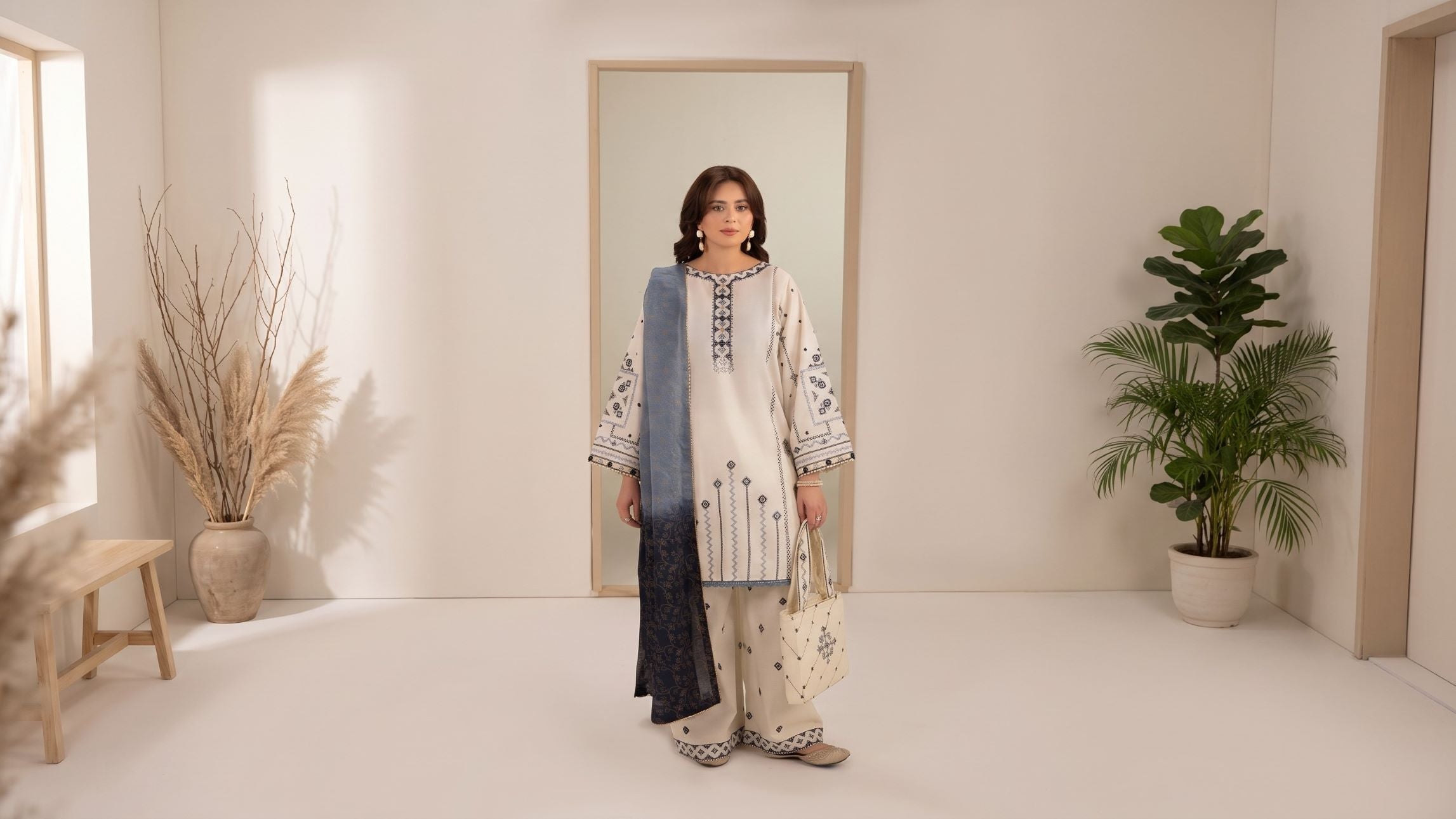
What is phulkari embroidery? It is a traditional Punjabi needlework art known for its colourful threadwork, distinctive patterns, and deep cultural significance. The word Phulkari translates to “flower work,” reflecting the floral beauty often associated with this craft. Traditionally created using colourful silk floss, Phulkari has become an important part of Punjabi heritage and South Asian fashion.
For generations, Phulkari textiles have been associated with family celebrations, weddings, festivals, and traditional clothing. Today, the craft continues to inspire designers who incorporate its vibrant patterns into dupattas, suits, shawls, and contemporary outfits.
Understanding what is phulkari embroidery involves more than learning about its appearance.It also reflects an appreciation for the skilled craftsmanship, rich cultural heritage, and regional identity that this unique art form continues to preserve.
What Is Phulkari Embroidery? Meaning and Significance

What Is Phulkari Embroidery? Meaning and Significance refers to the cultural importance and distinctive characteristics of this traditional Punjabi embroidery. It originated in the Punjab region of South Asia, which today spans parts of Pakistan and India.
Phulkari is commonly recognised for its colourful geometric patterns, floral-inspired motifs, and decorative stitching worked across woven fabric. Unlike embroidery that relies mainly on outlining a design, traditional Phulkari often uses closely arranged stitches to create colourful surfaces and intricate visual effects.
What Makes Phulkari Embroidery Unique?
Several characteristics distinguish Phulkari from other embroidery traditions:
-
Vibrant threadwork: Traditionally, brightly coloured silk floss, often called pat, is used to create decorative patterns.
-
Geometric designs: Diamonds, triangles, squares, and other repeated shapes are common features.
-
Floral motifs: Designs often feature flowers, leaves, and other elements inspired by nature.
-
Traditional craftsmanship: Traditional Phulkari is hand-embroidered with care, patience, and skilled attention to detail.
-
Cultural expression: Motifs, colours, and the intended use of a textile can reflect regional traditions and personal creativity.
Although the name suggests floral embroidery, not every Phulkari design features recognisable flowers. Geometric arrangements are equally important to its visual identity.
Why Is Phulkari Important in Punjabi Culture?
Phulkari has traditionally been connected with women's textile craftsmanship, family life, and important social occasions. Embroidered pieces have been prepared, gifted, and worn during celebrations, including weddings and other milestones.
Across Punjabi communities, embroidered textiles symbolise love, artistic expression, and the traditions passed down through generations. Today, Phulkari continues to celebrate Punjabi cultural heritage, keeping traditional craftsmanship alive while inspiring contemporary designs for modern wardrobes.
The Origin and History of Phulkari Embroidery
The Origin and History of Phulkari Embroidery is closely connected with Punjab's rich textile traditions, including weaving, decorative fabric production, and hand embroidery.
Phulkari’s exact origins remain unclear, as the craft was traditionally passed down through generations rather than recorded in formal historical documents. Over time, it became closely linked to Punjabi women’s textile traditions, particularly handmade fabrics created for cultural celebrations and special ceremonies.
How Phulkari Became a Traditional Art Form
Historically, women created embroidered textiles for personal use, family occasions, and gifts. The craft demanded patience, thoughtful planning, and a strong knowledge of stitches, colours, and patterns.
In traditional practice, embroidery was often worked from the reverse side of the fabric. Artisans used darning-style stitches to build designs across the surface, producing distinctive patterns on the front.
The tradition developed through regional preferences and individual creativity. Differences in colour, density, motifs, and coverage helped create recognisable variations within Phulkari.
Phulkari and Punjabi Wedding Traditions
Phulkari textiles have a longstanding association with Punjabi wedding customs. Embroidered pieces could form part of a bride's trousseau, family gifts, or ceremonial clothing, depending on local customs and family traditions.
Some textiles were especially elaborate, with dense embroidery covering much of the fabric. Creating these pieces often required considerable time and effort, making them cherished heirlooms in a family’s collection.
Partition in 1947 profoundly changed Punjab's social and cultural landscape, separating communities and disrupting many established patterns of cultural exchange. Nevertheless, Phulkari traditions continued on both sides of the border, with artisans and families preserving their regional practices.
Different Types of Traditional Phulkari Embroidery

Different Types of Traditional Phulkari Embroidery demonstrate the variety within this cultural art form. Traditional styles vary in their stitchwork, pattern density, colours, and cultural uses.
1. Phulkari
In its broader traditional sense, Phulkari often features colourful geometric or floral-inspired embroidery arranged across a fabric surface. The designs may leave some of the base cloth visible, creating a balanced contrast between the background and the stitched motifs.
2. Bagh Phulkari
Bagh means garden, and Bagh embroidery is recognised for its dense coverage. The embroidery can cover nearly the entire fabric, making the background difficult to see.
Its carefully arranged geometric patterns often create the impression of a continuous decorative surface. Traditional Bagh pieces can require considerable time and skill.
3. Chope Phulkari
Chope is a traditional embroidered textile associated particularly with Punjabi wedding customs. It is known for its symmetrical geometric patterns and vibrant red or reddish embroidery that stands out against the contrasting fabric.
In some communities, Chope textiles have held special ceremonial importance and have been associated with gifts prepared for brides.
4. Thirma Phulkari
Thirma is commonly associated with a light-coloured or white base fabric, often decorated with contrasting embroidery. The combination creates a distinctive appearance compared with more densely coloured styles.
5. Sainchi Phulkari
Sainchi Phulkari is known for its illustrative approach to design. Some examples depict people, animals, everyday activities, and scenes from community life.
These motifs make Sainchi particularly interesting for understanding how embroidery can record cultural experiences and local traditions.
How Is Phulkari Embroidery Made?
How Is Phulkari Embroidery Made? depends on the particular style, fabric, and design. Traditional Phulkari generally involves selecting a suitable base fabric, planning the pattern, and building the design with carefully arranged stitches.
Step 1: Selecting the Fabric and Thread
Traditional pieces commonly use a cotton base fabric and colourful silk floss. The choice of fabric affects how the stitches sit, while thread colour influences the final design.
Modern interpretations may use different materials depending on the intended garment and desired appearance.
Step 2: Planning the Pattern
The artisan considers the placement, scale, and repetition of the motifs.Some designs feature geometric patterns, while others showcase floral motifs or detailed illustrative elements.
Careful planning helps create visual balance across the fabric.
Step 3: Working the Embroidery
Traditional Phulkari commonly uses a darning stitch worked from the reverse side of the cloth. The artisan places stitches in a planned sequence to develop the design on the front.
Variations in stitch direction, spacing, and colour help create different patterns and textures.
Step 4: Completing and Inspecting the Textile
Once the embroidery is finished, the piece is checked for loose threads, uneven areas, and overall pattern consistency. Fine hand embroidery needs gentle cleaning and proper storage to preserve its beauty and quality.
Machine-made adaptations can reproduce some of the visual characteristics of Phulkari, but they differ from traditional hand embroidery in construction and craftsmanship.
Phulkari Embroidery in Modern Women's Fashion
Phulkari has moved beyond traditional textiles into contemporary clothing and accessories. Designers draw inspiration from its colour combinations, geometric arrangements, and cultural symbolism to create outfits suited to a range of occasions.
Phulkari Dupattas and Traditional Suits
A Phulkari-inspired dupatta can add colour and texture to a simple suit. Pairing an embroidered dupatta with a plain shirt and trousers helps the needlework stand out without making the overall outfit feel too busy.
For festive occasions, richer colours and more elaborate patterns can create a striking traditional look.
Casual and Semi-Formal Styling
Smaller embroidery details can bring traditional character to everyday clothing. A simple embroidered accessory or a patterned dupatta can complement neutral outfits, making the overall appearance feel distinctive without requiring extensive embellishment.
For semi-formal events, coordinated colours and carefully selected jewellery can help create a polished look.
Preserving Traditional Craftsmanship
It is useful to distinguish authentic hand embroidery from printed designs and machine-produced imitations. Product descriptions that clearly identify the technique, materials, and place of production help shoppers make informed choices.
Supporting skilled artisans and responsible craft businesses can also contribute to preserving traditional textile knowledge.
Shop Elegant Women's Fashion at Zahra Rubab
If you appreciate traditional influences alongside contemporary design, Zahra Rubab offers women's clothing for casual outings, formal occasions, semi-formal gatherings, and weddings.
Its collections include Zardozi, Phulkaari, Luxe, Tahwar, and Ittar, providing different styles for women with varied fashion preferences.
The Phulkaari collection is particularly relevant to shoppers interested in clothing inspired by traditional embroidery. You can also browse other collections for outfits suited to celebrations, family gatherings, and everyday dressing.
When choosing an outfit, consider its fabric, embroidery details, silhouette, and versatility. A thoughtfully selected dress can reflect your personal style while complementing the colours and textures associated with Punjabi fashion.
Visit Zahra Rubab's official website to view current collections and check product descriptions for available designs and materials.
Conclusion
Understanding what is phulkari embroidery means appreciating an art form that combines textile craftsmanship, cultural identity, and creative expression. From its roots in Punjab to its continued influence on modern women's fashion, Phulkari reflects generations of knowledge preserved through needlework.
Its different styles, including Bagh, Chope, Thirma, and Sainchi, demonstrate the variety within this rich tradition. Whether featured on a traditional dupatta or reinterpreted in contemporary clothing, Phulkari remains a meaningful connection between heritage and personal style.
By learning about its origins and recognising the skill behind its patterns, shoppers can appreciate these textiles beyond their appearance and make more informed choices when selecting culturally inspired fashion.
FAQ's
1. What is Phulkari embroidery?
Phulkari is a traditional Punjabi embroidery technique known for colourful threadwork and geometric or floral-inspired patterns. It is used to decorate textiles such as dupattas, shawls, and traditional garments.
2. Where did Phulkari embroidery originate?
Phulkari originated in the Punjab region of South Asia, which now spans parts of Pakistan and India. It developed through regional textile traditions and generations of skilled embroidery work.
3. What are the main types of Phulkari embroidery?
Commonly recognised styles include Phulkari, Bagh, Chope, Thirma, and Sainchi. They differ in pattern density, colour, design, and traditional use.
4. Which stitches are used in Phulkari embroidery?
Traditional Phulkari commonly uses a darning stitch worked from the reverse side of the fabric. Stitch direction and colour placement help create its distinctive patterns on the front.
5. Is Phulkari embroidery still used in modern fashion?
Yes, Phulkari continues to inspire dupattas, suits, shawls, and contemporary ethnic wear. Designers adapt its colours and motifs for casual, festive, and formal clothing.