Cart
0
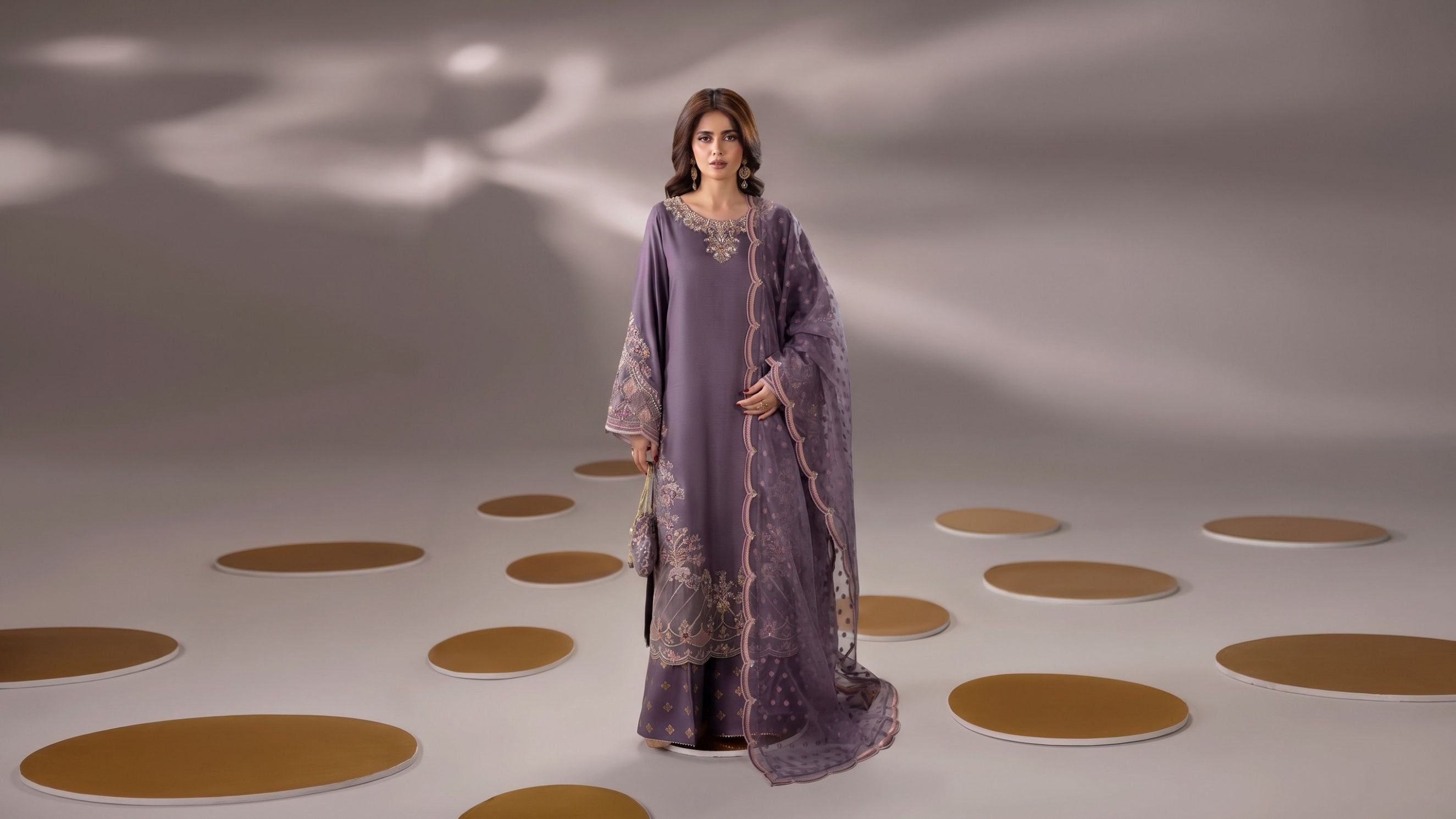
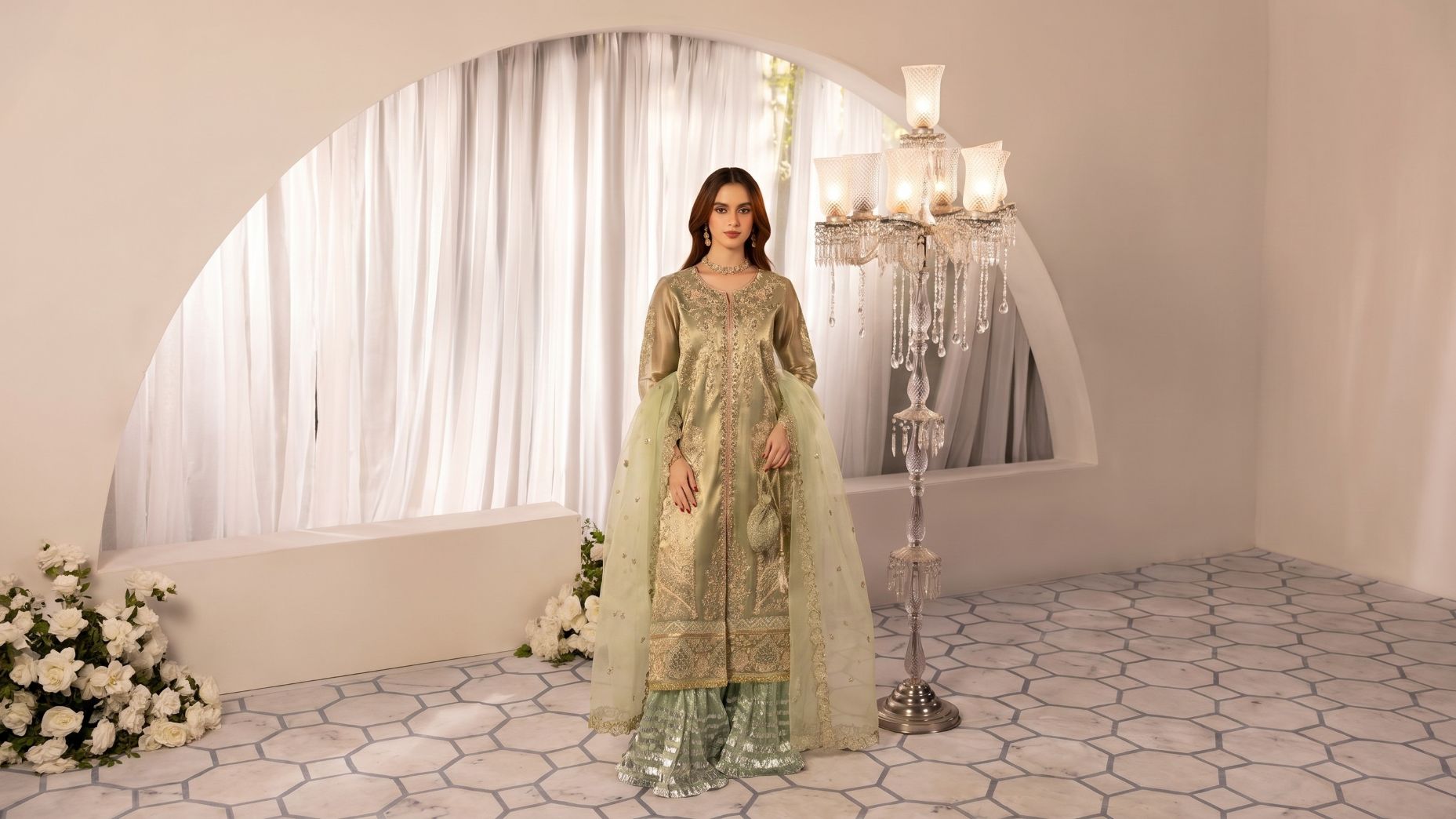
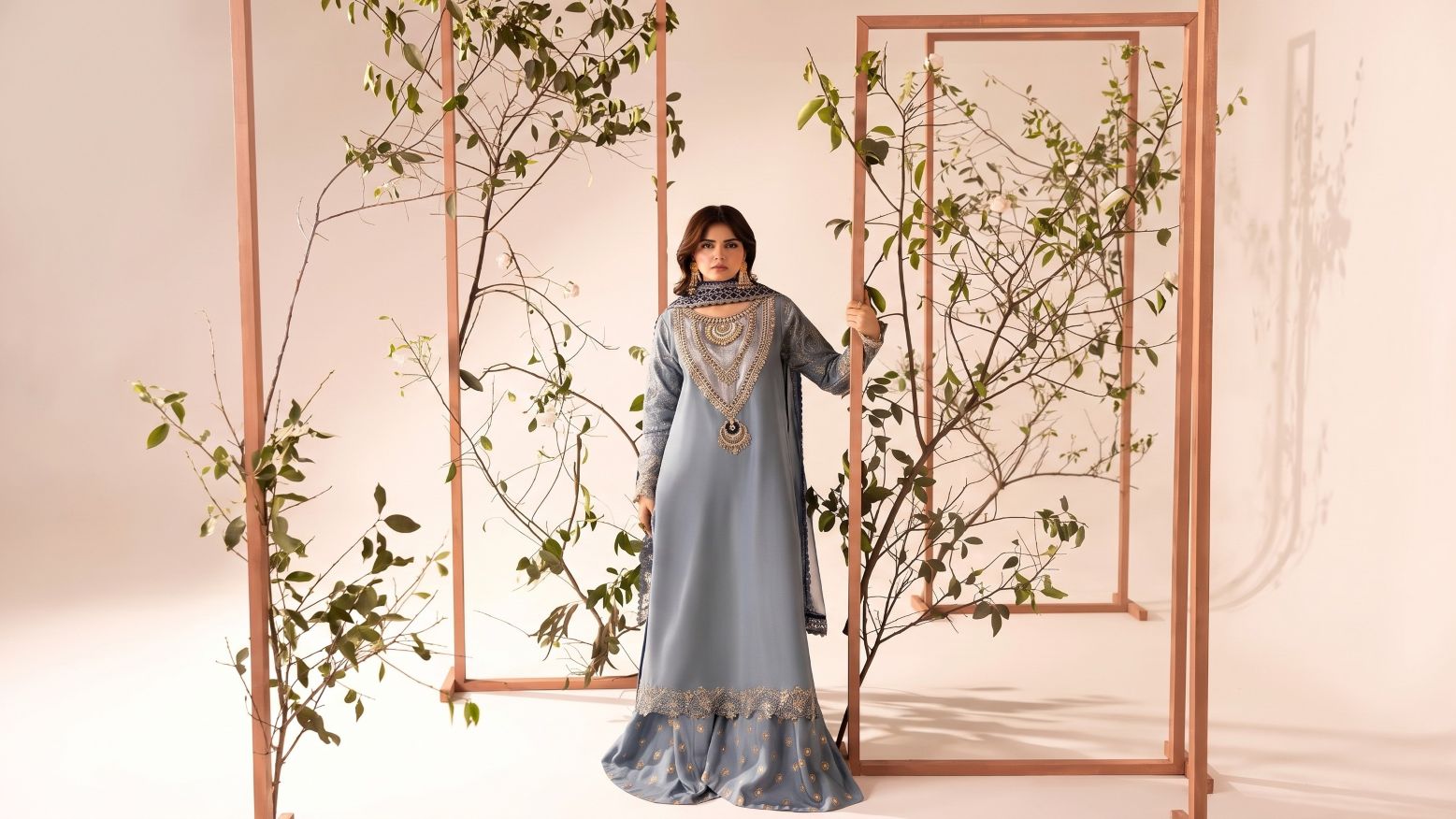
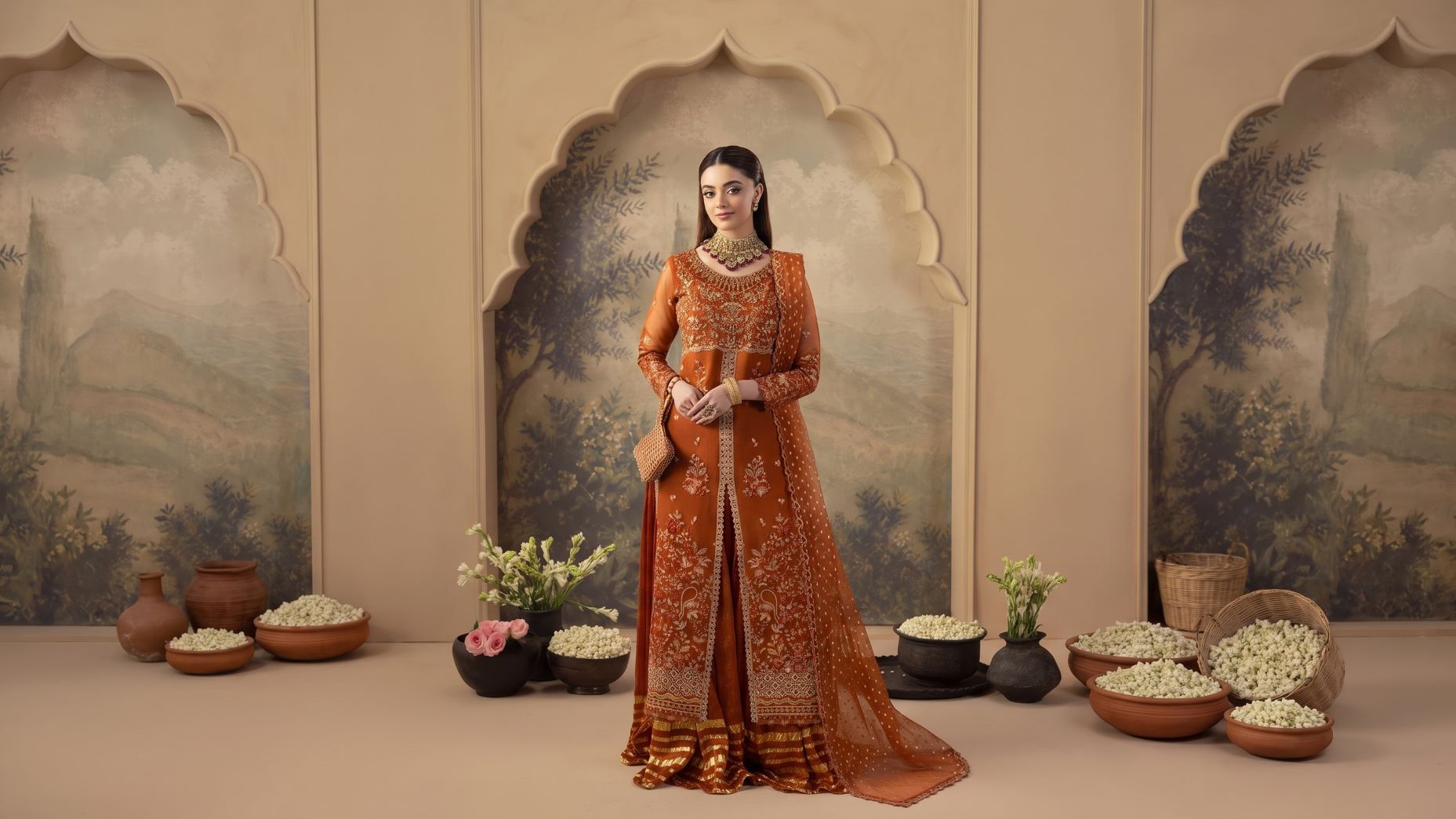
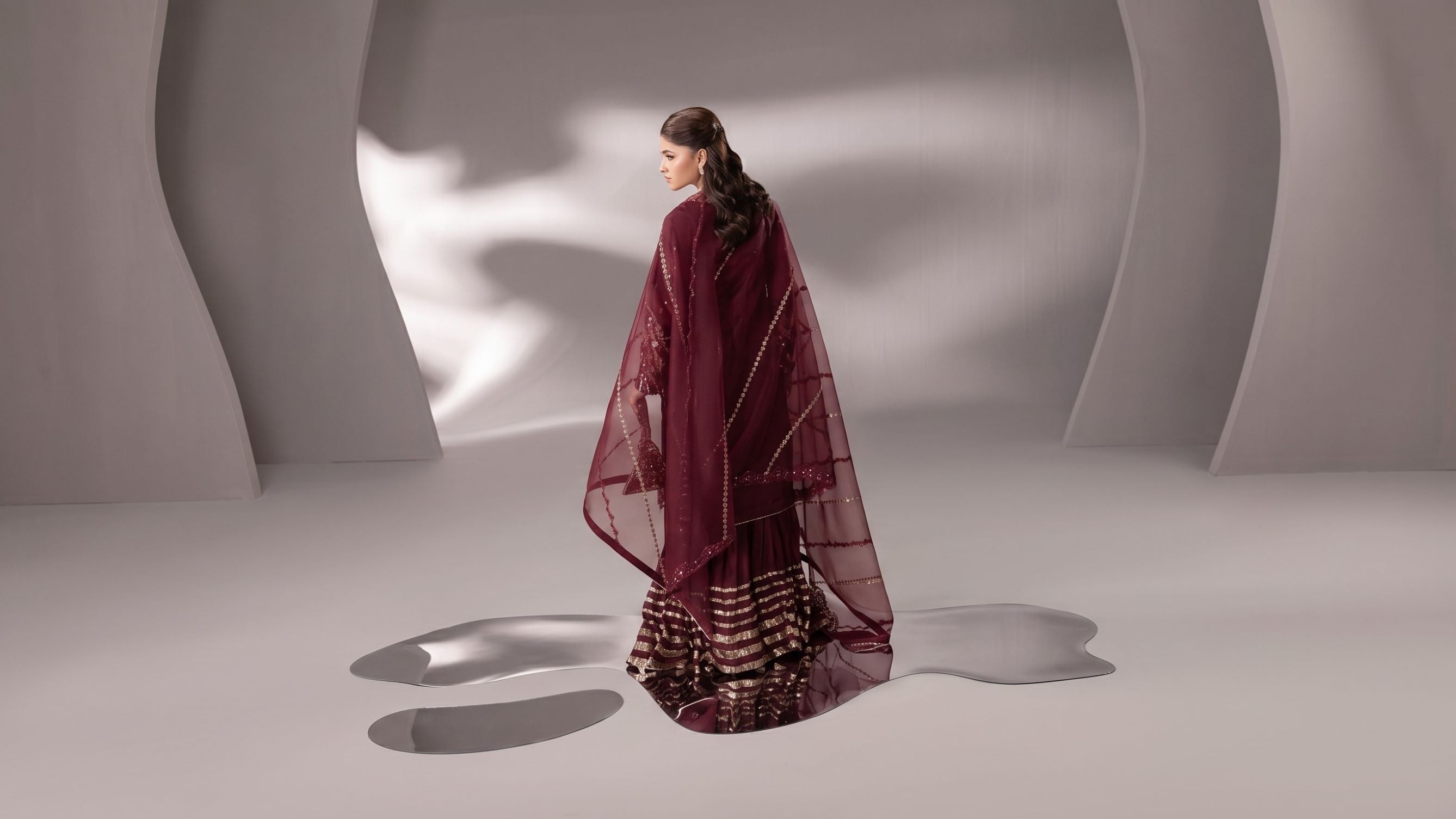
Bridal shopping in Pakistan almost always leads to one question: which fabric and craft combination truly feels regal? Zardozi Silk Dresses answer that question better than almost anything else on the market today. The heavy metallic threadwork against smooth silk creates a finish that photographs beautifully and wears with genuine confidence at weddings, receptions, and formal events.
Every bride wants an outfit that feels rich without looking over the top, and that balance is exactly what good embroidery work delivers. Passed down through the ages, this artistry remains in demand since it lends a majestic, refined touch that complements both classic and contemporary wedding styles. Whether it is a barat outfit, a walima gown, or a festive party dress, this embroidery style adds depth and character that plain fabric simply cannot match. Shoppers today also want quality assurance before spending on such an important outfit, which makes it essential to understand what actually goes into making these pieces special.
This guide breaks down everything a shopper needs to know before buying these outfits, from the embroidery technique itself to styling, care, and how to spot genuine quality. Along the way, you will see how a Zardozi embroidered silk dress fits into modern bridal and formal wardrobes, and where to find pieces that are worth the investment.
What Are Zardozi Silk Dresses?

What are Zardozi silk dresses? They are silk garments decorated with Zardozi, a heavy metallic embroidery technique that originally used real gold and silver wire. Today, most designers use gold-toned or silver-toned metallic thread, sequins, beads, and sometimes semi-precious stones to recreate the same royal effect at a more accessible price point.
The name Zardozi has its roots in the Persian language, merging the words for gold ("zar") and embroidery ("dozi"). Historically, this craft decorated royal robes, ceremonial curtains, and wedding trousseaus across South Asia. That heritage is exactly why the technique still feels synonymous with bridal luxury.
On silk specifically, the embroidery sits well because the fabric has enough body to support dense stitching without sagging. This is part of why Zardozi dresses are almost always made on silk, silk blends, or silk-based fabrics such as raw silk and organza with silk lining.
How Is Zardozi Embroidery Done?
As a form of manual needlework, Zardozi is executed using either an "aari" needle or a classic needle-and-hook pair, with the specific tool often varying by region or individual workshop. Artisans stretch the fabric on a wooden frame first, then stitch metallic wires, dabka, sequins, and beads into detailed floral, paisley, or geometric patterns.
A single dupatta border or bodice panel can take several days to weeks to complete, depending on the design's density. This is one reason genuine hand-embroidered work costs more than printed or machine-embroidered alternatives. The extra time and skill involved also means each finished piece carries a level of detail that mass production simply cannot replicate.
The incorporation of machinery into the Zardozi process is now a reality, especially prevalent in mass-produced, ready-to-wear fashion lines. It reduces costs and turnaround time while still capturing the visual richness of the craft, making it a practical choice for brides who want the look without the fully custom price tag.
What Makes Silk Gowns with Zardozi Embroidery an Ideal Choice for Brides?
A Zardozi embroidered silk dress works so well for weddings because it checks three boxes at once: visual impact, cultural relevance, and comfort compared to fully beaded or crystal-heavy outfits. The shimmering metallic stitches reflect light wonderfully whether under the sun or the artificial glow of a wedding venue, making it exceptionally photogenic.
Silk also drapes in a way that flatters most body types, whether the dress is a fitted gown, a lehenga, or a traditional shirt with a flared skirt. Brides who want a statement outfit without the extreme weight of stone-heavy bridal wear often choose Zardozi as the middle ground.
There is also a practical wearability factor. Attendees at walima celebrations, engagement parties, or mehndi gatherings are choosing Zardozi outfits more often, as these provide a celebratory look that stops short of resembling a bride’s ensemble, something guests should generally avoid wearing.
What Makes the Best Zardozi Silk Dresses Stand Out?
The best Zardozi silk dresses share a few identifiable qualities that separate them from average options in the market. First, the embroidery lies flat and even, without loose threads, puckering, or visible backing fabric showing through gaps in the stitching.
Second, the silk itself has a smooth, slightly stiff hand feel rather than a flimsy, overly shiny synthetic texture. Genuine silk or high-quality silk blends hold embroidery weight better and resist sagging after repeated wear.
Third, color placement matters. In expertly crafted garments, the metallic threadwork is harmonized with the underlying fabric shade to keep the overall look from feeling too busy, while the detailing along the necklines, cuffs, and hems is executed neatly rather than hastily.
Finally, brands that offer detailed size charts, fabric composition, and clear product photography tend to deliver a more accurate in-hand experience. Such openness serves as a clear indicator of superior craftsmanship long before the item reaches your hands.
Which Occasions Suit Zardozi Dresses Best?
These outfits fit naturally into several categories of formal dressing, not just weddings. Bridal wear is the most common use case, particularly for barat, walima, and reception outfits where guests expect a certain level of grandeur, and Zardozi dresses consistently deliver that grandeur without feeling forced or overdone. This is part of why so many designers keep returning to this craft season after season.
Semi-formal events such as engagement parties, milad gatherings, and festive dinners also suit lighter Zardozi pieces, especially when the embroidery is concentrated on borders, necklines, or sleeves rather than the entire garment. This keeps the outfit elegant without feeling excessive for a non-bridal event.
Eid and festive wear is another growing category. Many shoppers now look for such outfits in pastel or jewel tones specifically for Eid, since the embroidery adds festivity without requiring full bridal styling. This makes the look feel special and celebratory while still staying comfortable enough for a full day of gatherings and family visits.
How Should You Style and Care for Zardozi Silk Dresses?

Styling these outfits works best when the rest of the look stays relatively simple. Since the embroidery already carries visual weight, pairing it with one statement jewelry piece, such as jhumkas or a choker, usually looks more polished than layering multiple heavy accessories.
For makeup and hair, warmer tones and classic bridal or semi-formal hairstyles tend to complement the gold and silver threadwork well. Neutral or metallic footwear also keeps the focus on the embroidery rather than competing with it.
Care matters just as much as styling. Zardozi garments should always be dry cleaned rather than washed at home, since water and detergent can damage metallic threads and cause tarnishing. Storing the dress folded with acid-free tissue paper between embroidered sections, away from direct sunlight and humidity, helps preserve both the silk and the threadwork for years.
Why Shop the Latest Women's Fashion from Zahra Rubab?
If you are searching for Zardozi Silk Dresses that combine authentic craftsmanship with wearable, modern silhouettes, Zahra Rubab is worth a visit. The brand has built its reputation on quality stitching, well-fitted patterns, and embroidery that holds up beautifully well beyond the first wear.
Zahra Rubab's formal dresses suit weddings and receptions, while the semi-formal outfits are designed for parties, milad gatherings, and festive get-togethers where you still want to look elegant without full bridal styling. The wedding wear collection focuses on pieces that feel special without becoming impractical to wear or maintain.
For everyday needs, the casual dresses and pret wear ranges bring comfort and effortless style, so you are not limited to occasion wear alone. Signature collections such as Zardozi, Phulkaari, Luxe, Tahwar, and Ittar each bring a distinct identity, from bold metallic embroidery to intricate regional needlework and contemporary luxury finishes.
What keeps customers coming back is consistent, accurate sizing, honest fabric details, and craftsmanship that genuinely reflects the price paid. If you want an outfit that feels tailored to real Pakistani style preferences, it is worth browsing the latest arrivals and picking a piece that matches your next occasion.
Conclusion
Choosing the right embroidery and fabric combination makes a real difference to how a bridal or formal outfit looks, feels, and lasts. Zardozi Silk Dresses bring together heritage craftsmanship and modern wearability in a way few other options can match, whether you are dressing for a wedding, a festive event, or a special occasion that calls for something more elevated.
Understanding what to look for, how Zardozi embroidery is made, and how to care for it properly helps you get real value from the purchase. With that knowledge in hand, finding a piece that suits your event and your personal style becomes a much easier decision. A well chosen outfit not only looks stunning on the day itself but also stays wearable for future celebrations for years to come.
FAQ’s
-
What are Zardozi silk dresses made of?
They are typically made from silk or silk blend fabrics, decorated with metallic thread, sequins, beads, and sometimes stones using the traditional Zardozi embroidery technique.
-
Is Zardozi embroidery done by hand or machine?
Both methods exist. Traditional Zardozi is hand embroidered using a needle and frame, while many modern ready-to-wear collections use machine-assisted techniques to reduce cost and production time while keeping a similar visual effect.
-
How do I know if a Zardozi silk dress is good quality?
Check that the embroidery lies flat without loose threads, the silk feels smooth and slightly structured rather than flimsy, and the finishing on hems, necklines, and sleeves is clean and even.
-
Can Zardozi silk dresses be worn outside of weddings?
Yes. Lighter Zardozi pieces with embroidery concentrated on borders or necklines work well for engagement parties, Eid, and other semi-formal occasions, not just bridal events.
-
How should I clean a Zardozi embroidered silk dress?
Always dry clean these dresses. Washing them with water or detergent can damage the metallic threads, cause tarnishing, and weaken the embroidery over time.
-
Where can I buy authentic Zardozi silk dresses online in Pakistan?
Established women's clothing brands with dedicated Zardozi collections, clear fabric details, and accurate size charts are the safest choice. Zahra Rubab's Zardozi collection is one option built specifically around this craft.