Cart
0
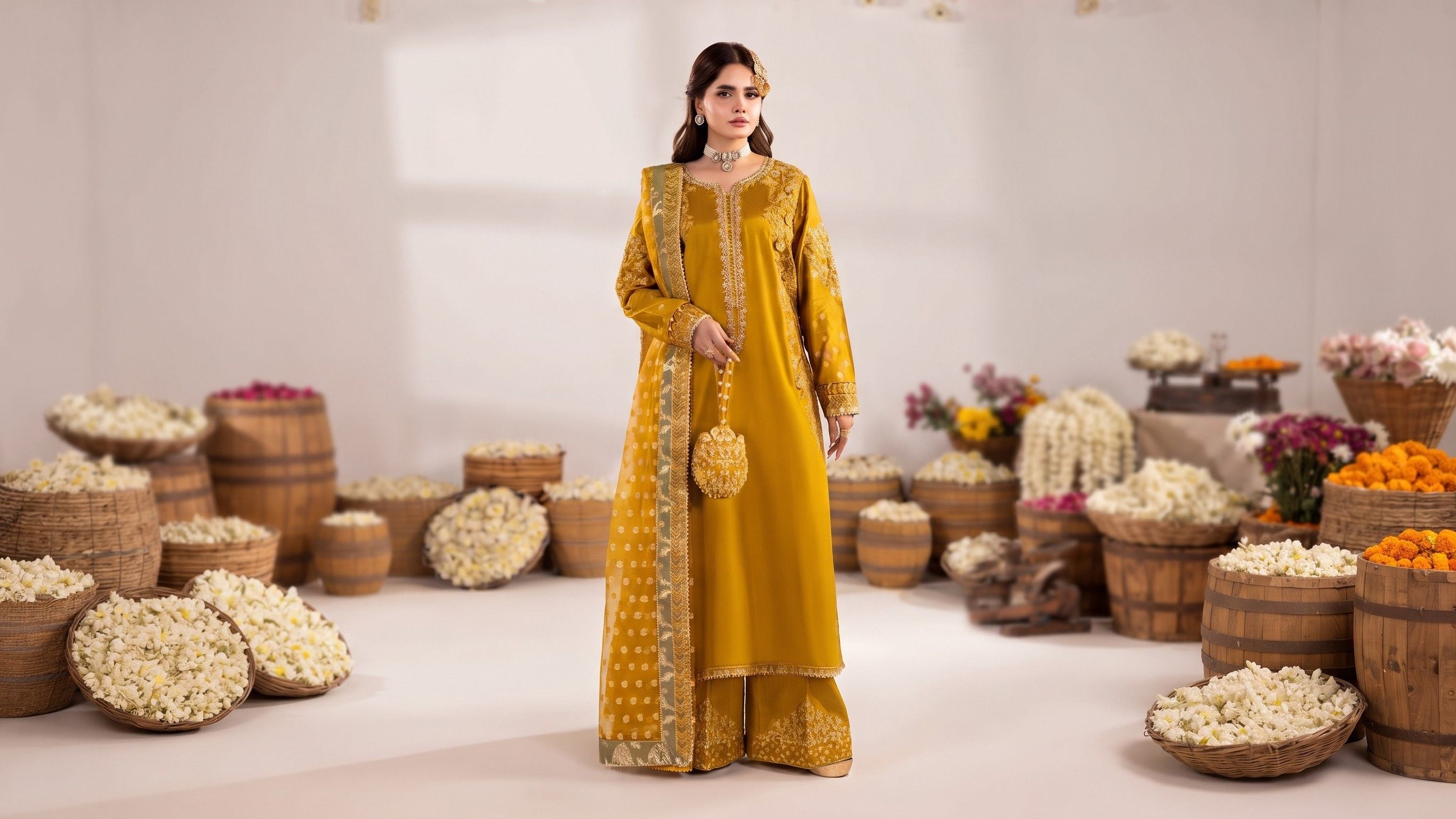
Dresses for women in Pakistan generally fall into four categories: formal, semi-formal, casual, and wedding wear, each built around different fabrics, embellishment levels, and occasions. Knowing which category fits a given event makes shopping far faster and reduces the chance of ending up overdressed or underdressed.
Most women end up with closets full of outfits bought for one specific event, with very little that actually works across multiple occasions. That usually happens because the shopping decision was based on a single outfit photo rather than an understanding of how fabric, embellishment, and cut change between formal, casual, and festive categories. Building a wardrobe with intention, rather than one impulse purchase at a time, solves this far more effectively.
This guide breaks down the main types, the fabrics worth knowing, and practical styling tips for 2026, so you can build a wardrobe that actually works across your calendar.
What Are the Main Types of Pakistani Dresses for Women?

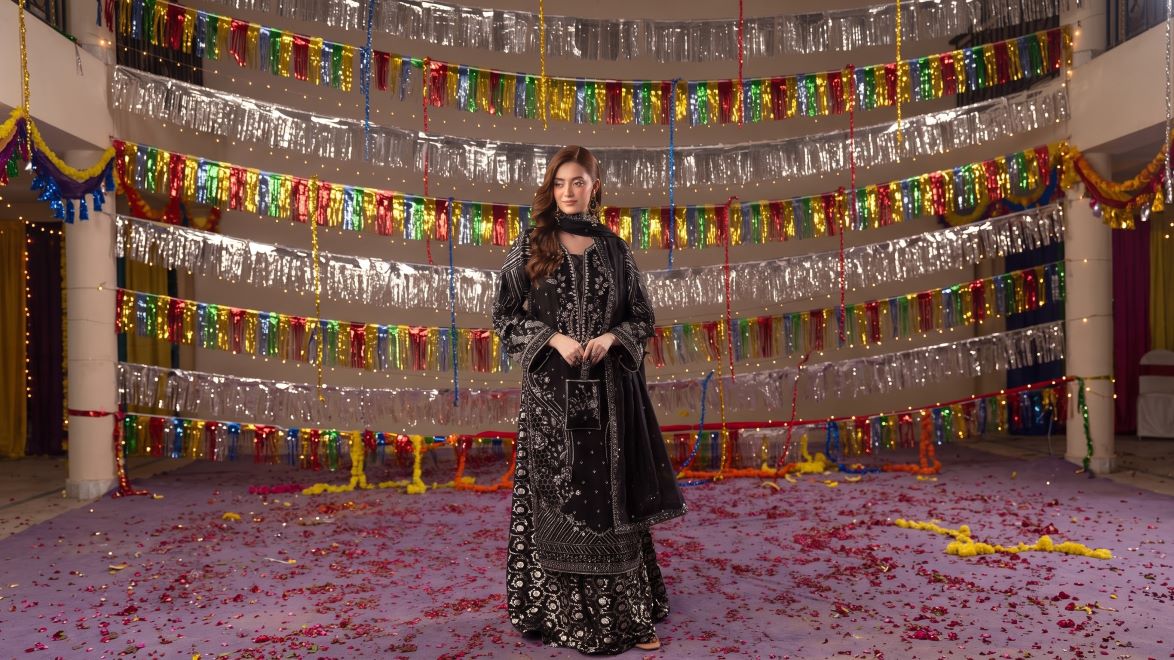
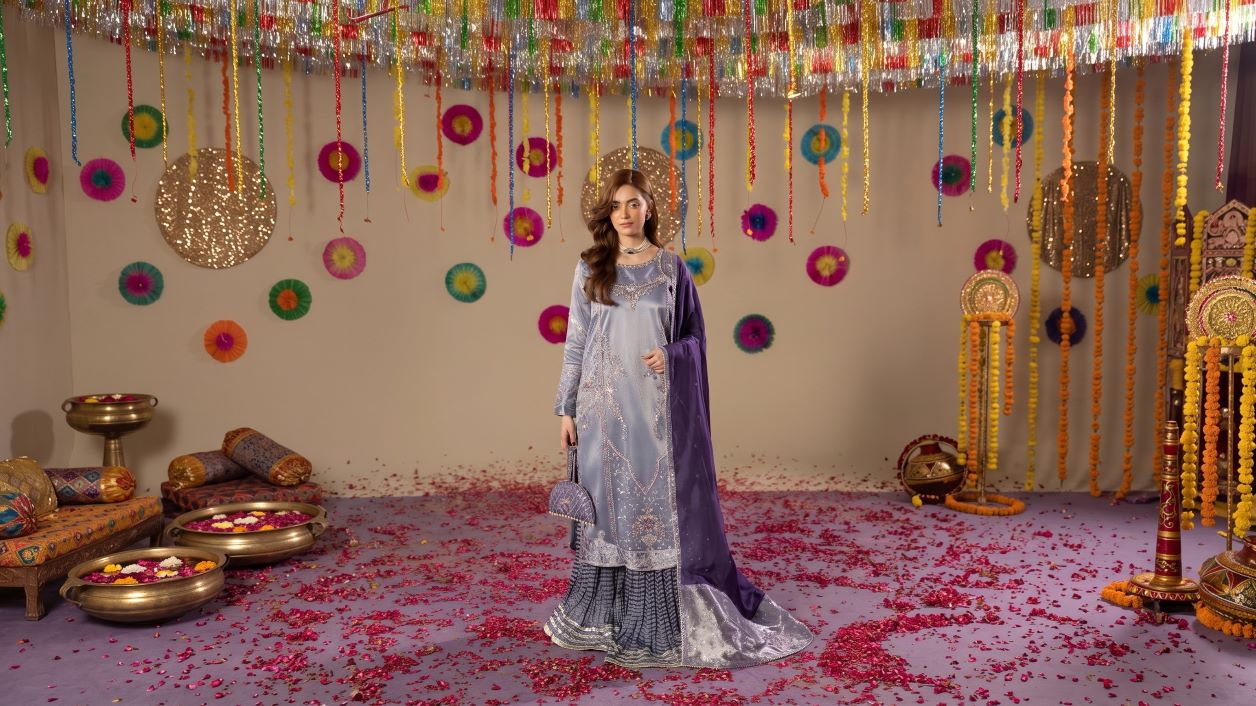
Most Pakistani outfits for women are built around a shirt, trouser, or shalwar, and dupatta combination, though silhouettes vary widely depending on the occasion and current trends. The core categories of style include formal wear, semi-formal pieces, casual daily wear, and dedicated wedding outfits.
Understanding where a piece fits within these categories helps avoid common shopping mistakes, like buying a heavily embellished shirt for everyday wear or a plain cotton set for a formal event. Every category adds something different to a balanced wardrobe.
Beyond these four broad categories, sub-styles like pret wear have grown significantly in popularity, offering ready-to-wear pieces that sit between casual and semi-formal. Pret collections typically use lighter embellishment and more contemporary cuts, making them a practical choice for women who want something more polished than daily wear without committing to the structure of fully formal pieces.
How can you distinguish between formal, semi-formal, and casual dresses?
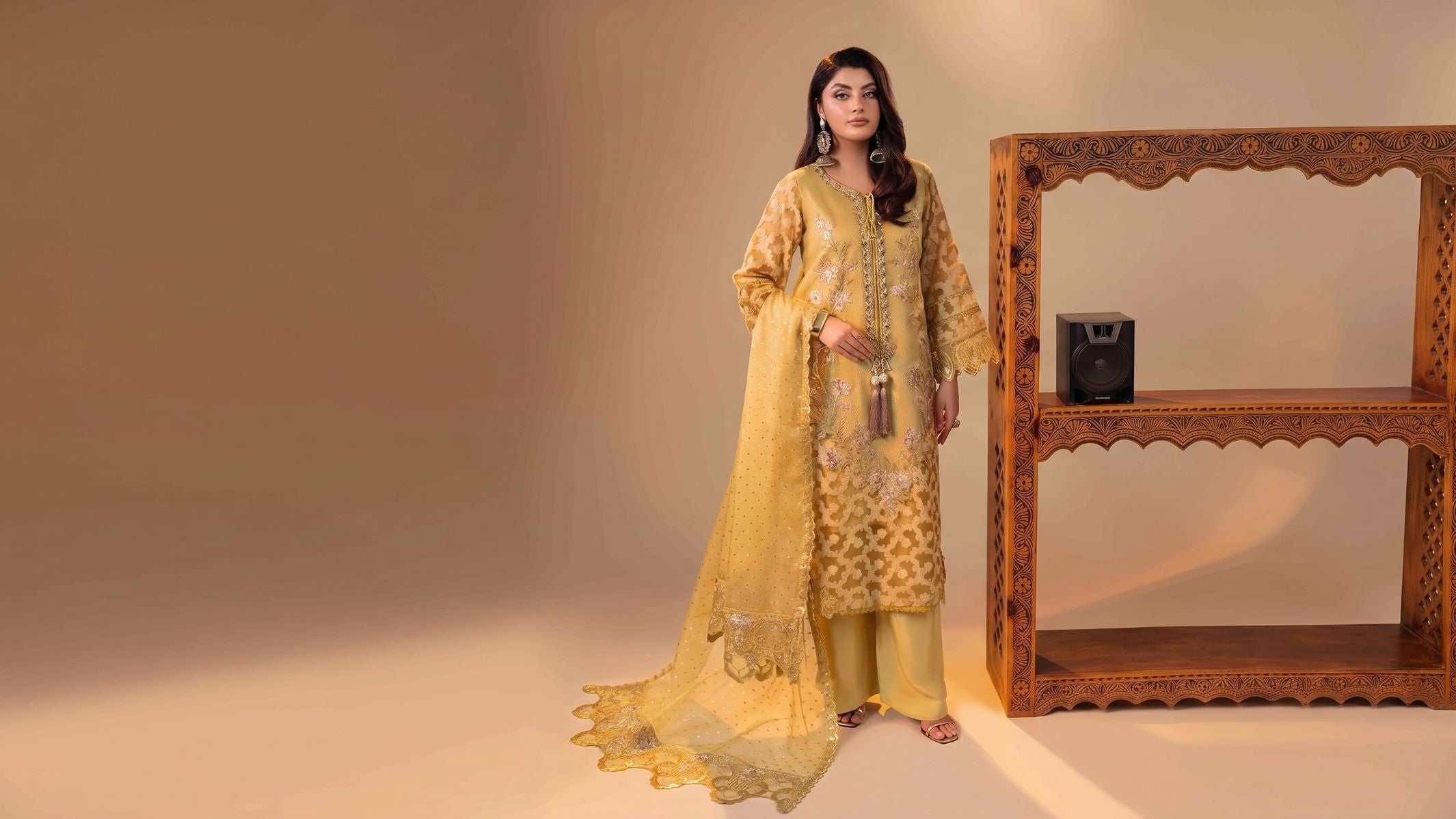
Formal dresses typically feature heavier embellishment, richer fabrics, and are reserved for events like weddings, formal dinners, or festive occasions. Semi-formal pieces strike a middle ground, offering moderate embroidery or print work suitable for smaller gatherings, office events, or casual get-togethers that still call for a polished look.
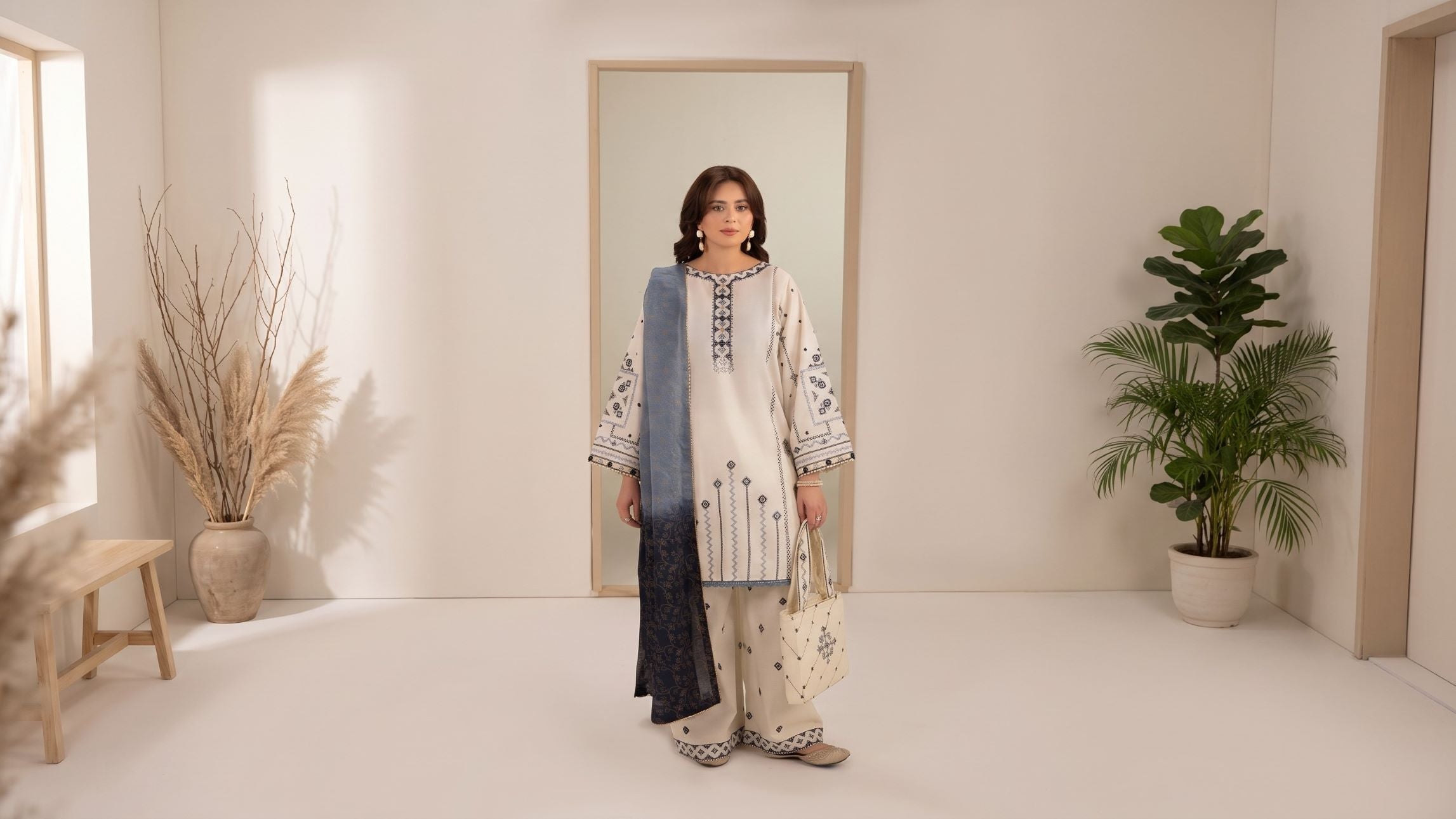
Casual dresses prioritize comfort and simplicity, often made from breathable cotton or lawn fabric with minimal embellishment for everyday wear. The line between these categories has blurred somewhat in recent years, with semi-formal pieces increasingly doubling as lighter formal options for daytime events.
|
Dress Type |
Typical Fabric |
Best Suited For |
|
Formal |
Silk, velvet, raw silk, net |
Weddings, festive events |
|
Semi-formal |
Lawn, chiffon, cotton net |
Office events, small gatherings |
|
Casual |
Cotton, lawn |
Everyday wear |
|
Wedding wear |
Silk, organza, jamawar |
Bridal and guest wedding functions |
What Fabrics Are Most Popular in Women's Dresses in Pakistan?
Fabric choice significantly affects comfort, durability, and how an outfit performs across Pakistan's varied climate. Lawn and cotton remain the most popular choices for summer casual and semi-formal wear, since both stay breathable in high heat and humidity.
For formal and wedding occasions, silk, organza, net, and velvet dominate, offering the richness needed for heavier work like zardozi or dabka. These fabrics show up often across the latest Pakistani dresses for women, especially in richly embellished Pakistani outfits for women designed for weddings. Chiffon sits comfortably between categories, suited to semi-formal and lighter formal pieces where drape matters more than structure.
Fabric weight also affects how embroidery and embellishment hold up over time. Heavier fabrics like raw silk and velvet support intricate embroidery work without sagging or losing shape, which is why they remain the default choice for bridal and heavily embellished formal pieces. Lighter fabrics, while more comfortable, generally pair better with simpler embellishment like gota or light thread work rather than dense, heavy embroidery.
Which Styles Are Trending in Latest Pakistani Dresses for Women in 2026?
Current trends in latest Pakistani dresses for women lean toward fusion silhouettes that blend traditional embroidery techniques with more contemporary cuts. Think structured shirts paired with straight trousers instead of traditional shalwars, or lehengas styled with cropped, modern blouses rather than fitted traditional tops.
A few styling patterns standing out this season include the following.
-
Pastel and earthy tone palettes replacing some of the brighter, bolder colors popular in previous years
-
Traditional hand embroidery like Phulkari and Zardozi reappearing in modern silhouettes
-
Co-ord sets, where shirt and trousers or skirt are designed as a matching unit, gaining popularity for semi-formal wear
-
Statement sleeves and structured necklines becoming more common across formal pieces
These shifts reflect a broader move toward outfits that honor traditional craftsmanship while still feeling current and wearable.
How Should You Choose Dresses for Women in Pakistan Based on Occasion?
Matching the dress type to the occasion avoids the most common styling mistakes seen at events. A heavily embellished formal piece feels out of place at a casual lunch, just as a plain cotton kurta feels underdressed at a formal dinner or wedding function.
When choosing Pakistani dresses for women for a specific event, consider three factors together: the formality level expected, the fabric's suitability for the weather, and how much movement the event will involve. A wedding mehndi, for instance, calls for lighter fabric and moderate embellishment compared to the heavier, more structured pieces suited to a formal dinner.
How Do You Style a Pakistani Dress for Different Body Types?

Silhouette choice plays a bigger role in flattering different body types than color or embellishment alone. A-line shirts generally suit most body types well, while fitted, structured cuts work best for those who prefer a more defined waistline.
For shorter heights, avoiding overly long or heavily layered pieces helps maintain proportion, while taller frames can comfortably carry longer shirts or maxi-style cuts. Choosing the right dupatta style, whether draped over one shoulder or styled as a shawl, also meaningfully affects the overall silhouette and comfort level throughout the day.
Necklines and sleeve cuts carry more styling weight than most shoppers realize, shaping both how an outfit feels and how it visually sits on the body. Wider or fuller sleeve cuts help soften broader shoulders, while slim, fitted sleeves suit smaller frames aiming for a leaner, elongated look. Necklines matter just as much, since a rounded cut or a sharper boat neck shape tends to pull the eye upward, a small detail that quietly improves how most women's dresses in Pakistan photograph regardless of face shape or build.
What Accessories and Styling Tips Complete a Pakistani Outfit?
Accessories and finishing touches often determine whether an outfit feels complete or unfinished. Jewelry choice should generally match the embellishment level of the outfit, with statement pieces suited to heavier formal wear and simpler, understated jewelry working better with casual or minimal embroidery pieces.
A few practical styling tips worth keeping in mind include the following.
-
Match footwear to formality, since heels or embellished khussas suit formal wear better than casual sandals.
-
Keep makeup proportional to embellishment, letting a heavily embroidered outfit speak for itself with simpler makeup.
-
Choose a dupatta style suited to the event, draped loosely for formal functions or pinned securely for events involving movement.
-
Layer with a jacket or shawl for winter, adding both warmth and a different styling dimension to an existing outfit.
These small details often make a bigger visual difference than the outfit itself, particularly in photographs.
Why Shop Pakistani Dresses for Women From Zahra Rubab?
Building a wardrobe that works across formal, semi-formal, casual, and wedding occasions becomes much easier with a brand that designs intentionally for each category. Zahra Rubab offers exactly this range, with collections built specifically around the different types of dresses women actually need throughout the year.
For everyday comfort, the casual dresses and pret wear collections bring breathable, easy-to-style pieces without sacrificing a polished look. When it's time for something dressier, the semi-formal dresses collection offers moderate embellishment suited to smaller gatherings, while the formal dresses and dedicated wedding dresses collections bring richer fabrics and detailed embroidery for bigger occasions.
Signature collections like Zardozi and Phulkaari highlight traditional embroidery techniques reimagined in contemporary silhouettes, while Luxe, Tahwar, and Ittar each bring their own distinct approach to formal and semi-formal styling. Every piece reflects a focus on quality craftsmanship and modern design, making it easier to shop a complete wardrobe rather than piecing together single occasion outfits. If you're planning your next wardrobe refresh, browsing Zahra Rubab's latest collections is a great place to start.
Conclusion
Shopping for Dresses for Women in Pakistan becomes far simpler once you understand how formal, semi-formal, casual, and wedding categories differ in fabric, embellishment, and intended occasion. Matching the right dress type to the right event avoids the common mistake of being either overdressed or underdressed.
As you plan your next few outfit purchases, the clear next step is to review your current women's dresses in Pakistan wardrobe and identify which occasion categories you're missing, then shop accordingly rather than buying one more piece in a category you already have covered. That approach builds a far more versatile wardrobe over time.
FAQ’s
-
How do formal and semi-formal Pakistani dresses differ?
Formal dresses typically feature heavier embellishment and richer fabrics suited to weddings or festive events, while semi-formal pieces offer moderate embroidery suited to smaller gatherings or daytime occasions.
-
Which fabric is best for everyday wear in Pakistan's climate?
Lawn and cotton are generally the best choices for everyday wear, since both stay breathable and comfortable in Pakistan's warm, humid climate.
-
Can casual dresses be styled for semi-formal occasions?
Yes, a well-chosen casual dress with the right accessories, like statement jewelry or a structured dupatta, can often transition into a semi-formal look for smaller gatherings.
-
What silhouettes are trending in Pakistani dresses for 2026?
Fusion silhouettes combining traditional embroidery with contemporary cuts, along with co-ord sets and structured necklines, are among the most popular trends this season.
-
How do I choose the right dupatta style for an outfit?
The right dupatta style depends on the event, with loosely draped dupattas suiting formal occasions better and pinned or shawl style draping working well for events involving more movement.