Cart
0
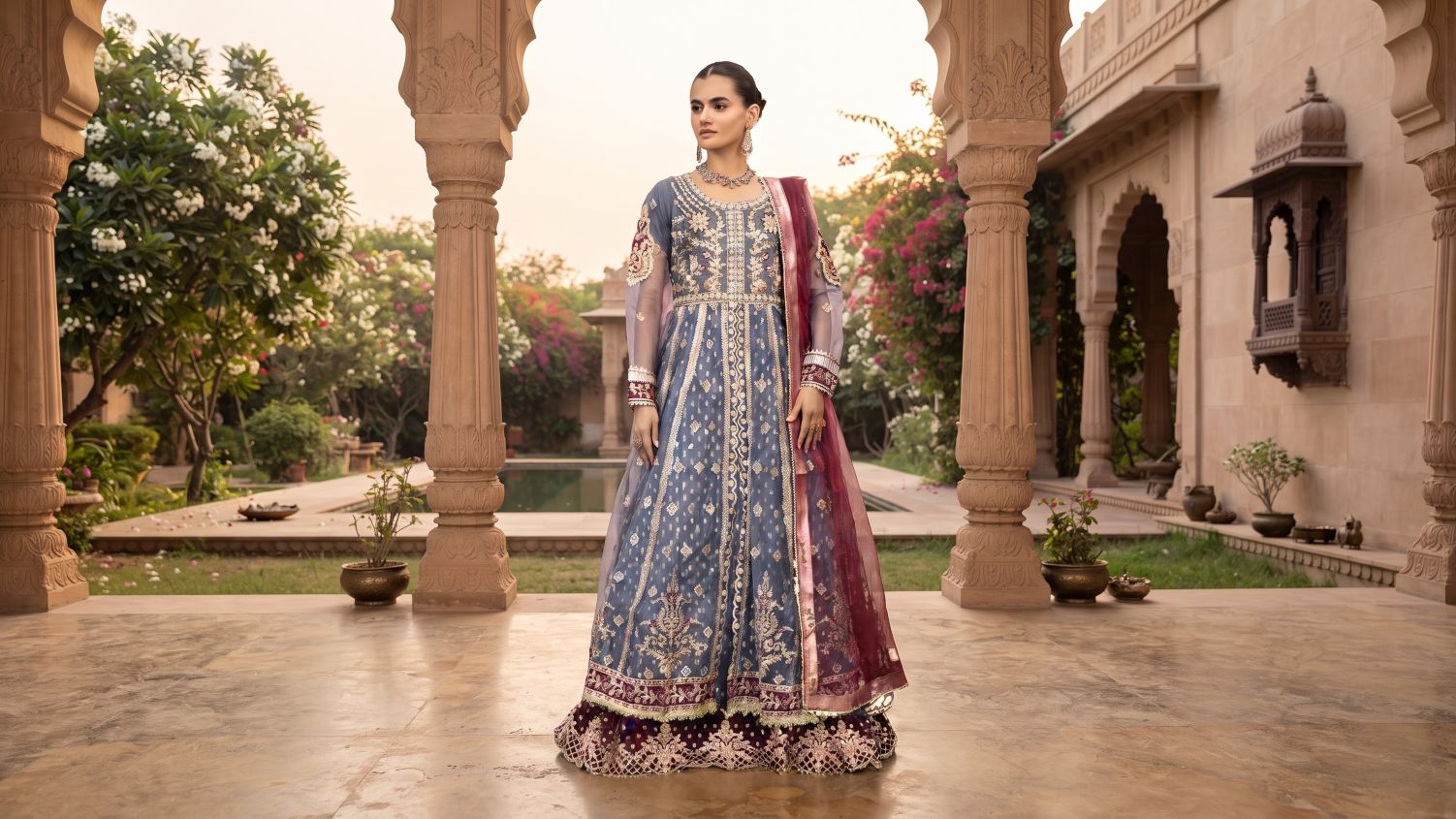
Wedding guest dresses Pakistan style change based on the function you're attending, since mehndi, barat, and walima each call for a different color palette, fabric weight, and level of embellishment. Getting this right means dressing appropriately without underdressing or overshadowing the hosts.
Most guests end up shopping the week before a wedding, picking whatever looks trendy on social media without checking if it actually suits the function they're attending. This is exactly how outfits that photograph beautifully online end up feeling out of place in person, whether too casual for a barat or too heavy for a mehndi. A little planning around what each function actually calls for saves both money and last-minute stress. It also means you walk in looking like you understood the occasion, not just the trend.
This guide breaks down what works for each wedding function in 2026, so you can shop with a clear plan instead of guessing at the last minute.
What Should You Wear as a Guest to a Pakistani Wedding?

Guests typically choose between a lehenga, a gharara, a sharara, or a heavily embellished shirt with trousers or a skirt, depending on the function and personal comfort. The right choice depends mainly on how formal the event is and how much movement, like dancing at a mehndi, you'll actually be doing.
Most Pakistani wedding outfits for women fall somewhere between semi-formal and heavily embellished formal wear, rarely dipping into plain casual territory even for daytime functions. Comfort still matters, especially for events that run several hours long.
Age and personal style also play a role in what feels appropriate. Younger guests often lean toward trendier silhouettes like crop tops with lehengas or contemporary gharara cuts, while older guests frequently prefer classic shirt and trouser combinations or traditional sarees for a more timeless look. Neither approach is more correct than the other, since both fit comfortably within what's considered acceptable wedding wear today.
How Do Mehndi Outfits Differ From Barat and Walima Looks?
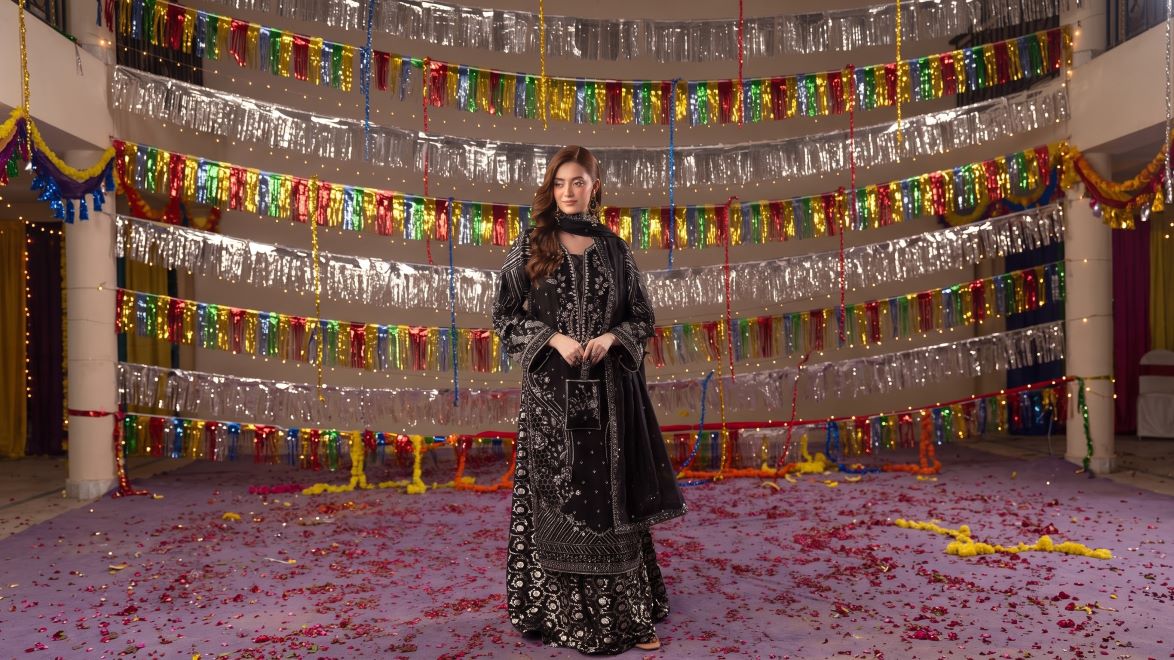
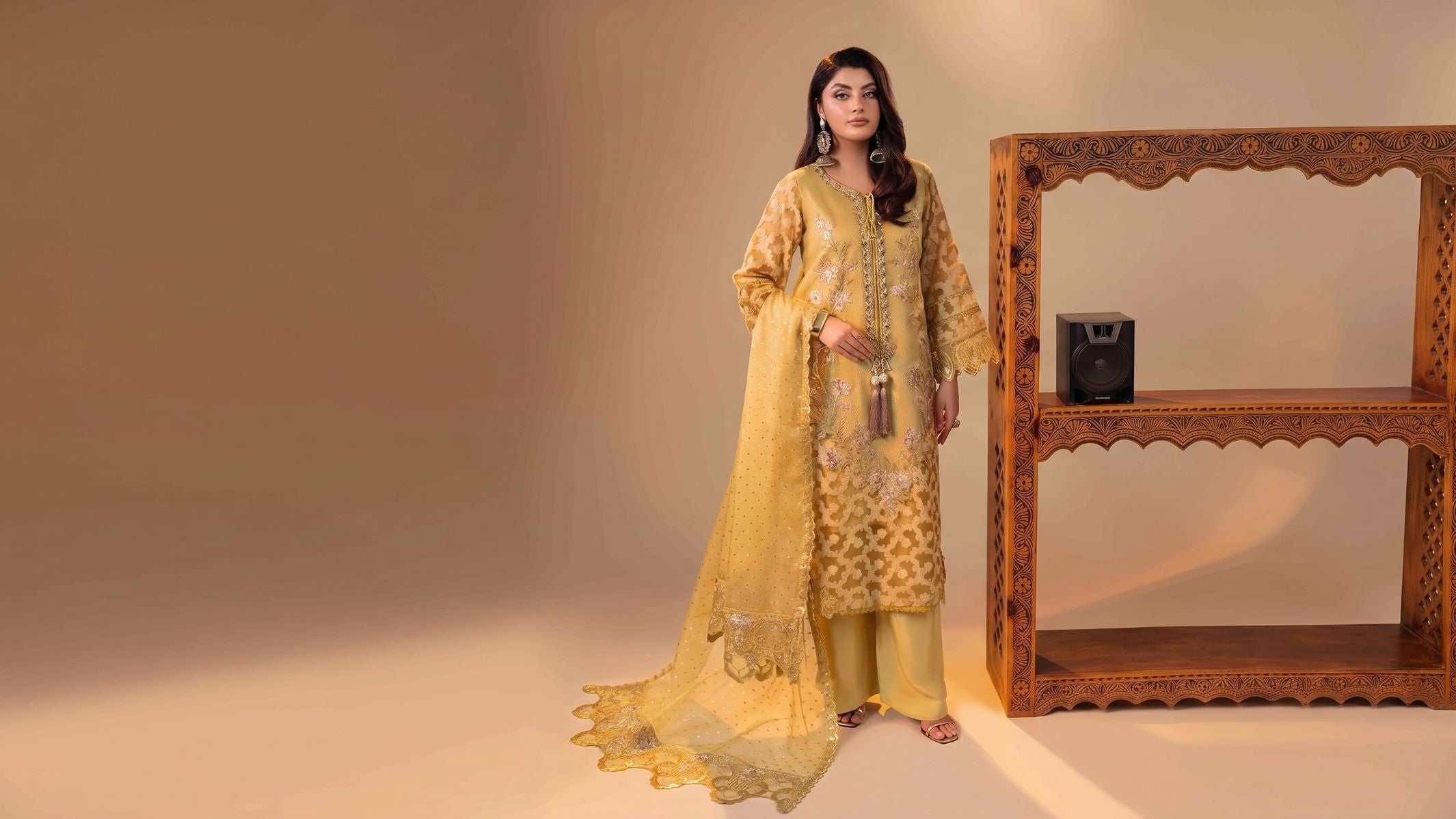
Mehndi outfits lean bright and playful, often in yellow, green, orange, or multicolor combinations with lighter embroidery like gota or mirror work. Barat looks shift toward richer, more formal tones such as deep maroon, emerald, or jewel shades with heavier embellishment like zardozi or dabka work.
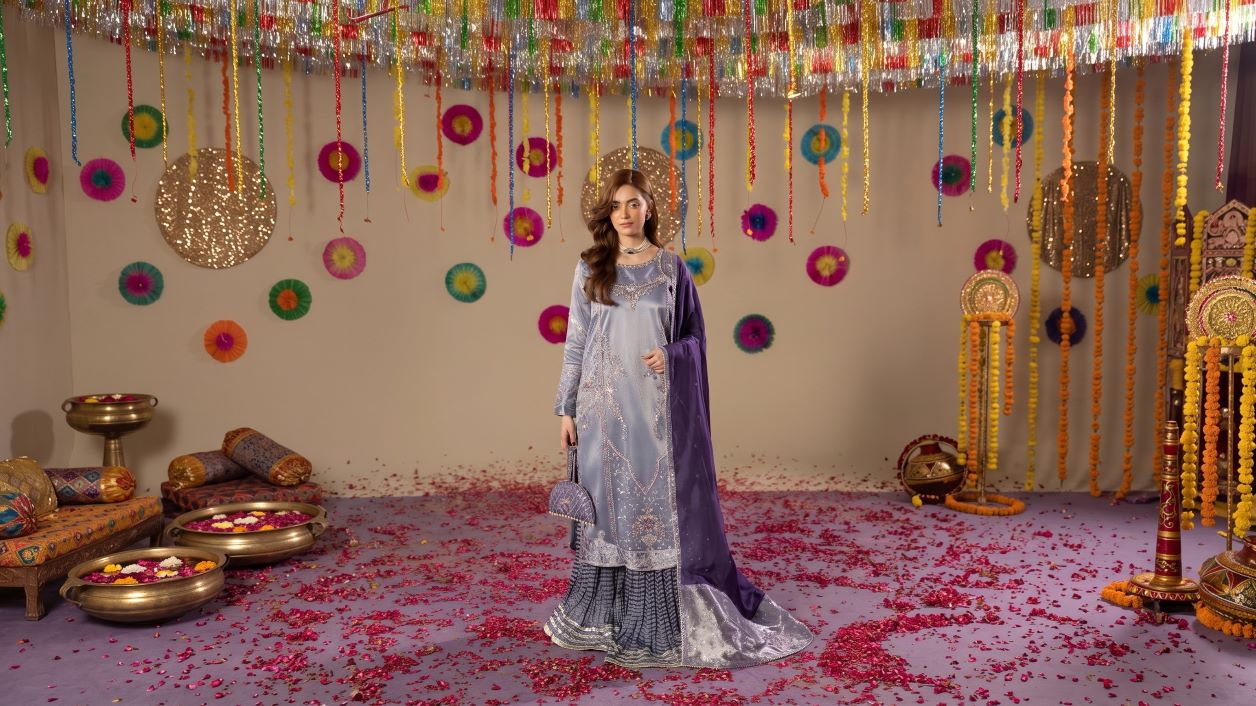
Walima outfits typically favor pastel or metallic tones, including champagne, blush, and silver, paired with more refined, lighter embellishment compared to barat wear. This progression from playful to formal to elegant reflects the distinct mood of each function rather than arbitrary styling rules.
Jewelry and makeup choices generally follow the same progression. Mehndi looks often pair with statement jewelry in bright enamel or kundan work and bolder makeup, while barat calls for heavier, more traditional jewelry sets that complement the richer embellishment. Walima jewelry tends to be more delicate, often favoring pearls or subtle stones that match the softer, more polished overall look.
|
Function |
Typical Colors |
Embellishment Level |
|
Mehndi |
Yellow, green, orange, multicolor |
Light, playful (gota, mirror work) |
|
Barat |
Maroon, emerald, jewel tones |
Heavy (zardozi, dabka) |
|
Walima |
Pastels, champagne, silver |
Refined, moderate |
What Are the Best Wedding Guest Dress Ideas for Mehndi Functions?
Mehndi functions call for outfits that allow easy movement while still looking festive under colorful lighting and dance performances. A lighter lehenga, a shirt with a flared skirt, or a gharara in bright hues usually works better than a heavily structured gown.
A few practical wedding guest dress ideas for mehndi include:
-
A sleeveless or short-sleeved shirt paired with a flowy gharara for easy dancing
-
A lightweight lehenga in mustard or bottle green with mirror work detailing
-
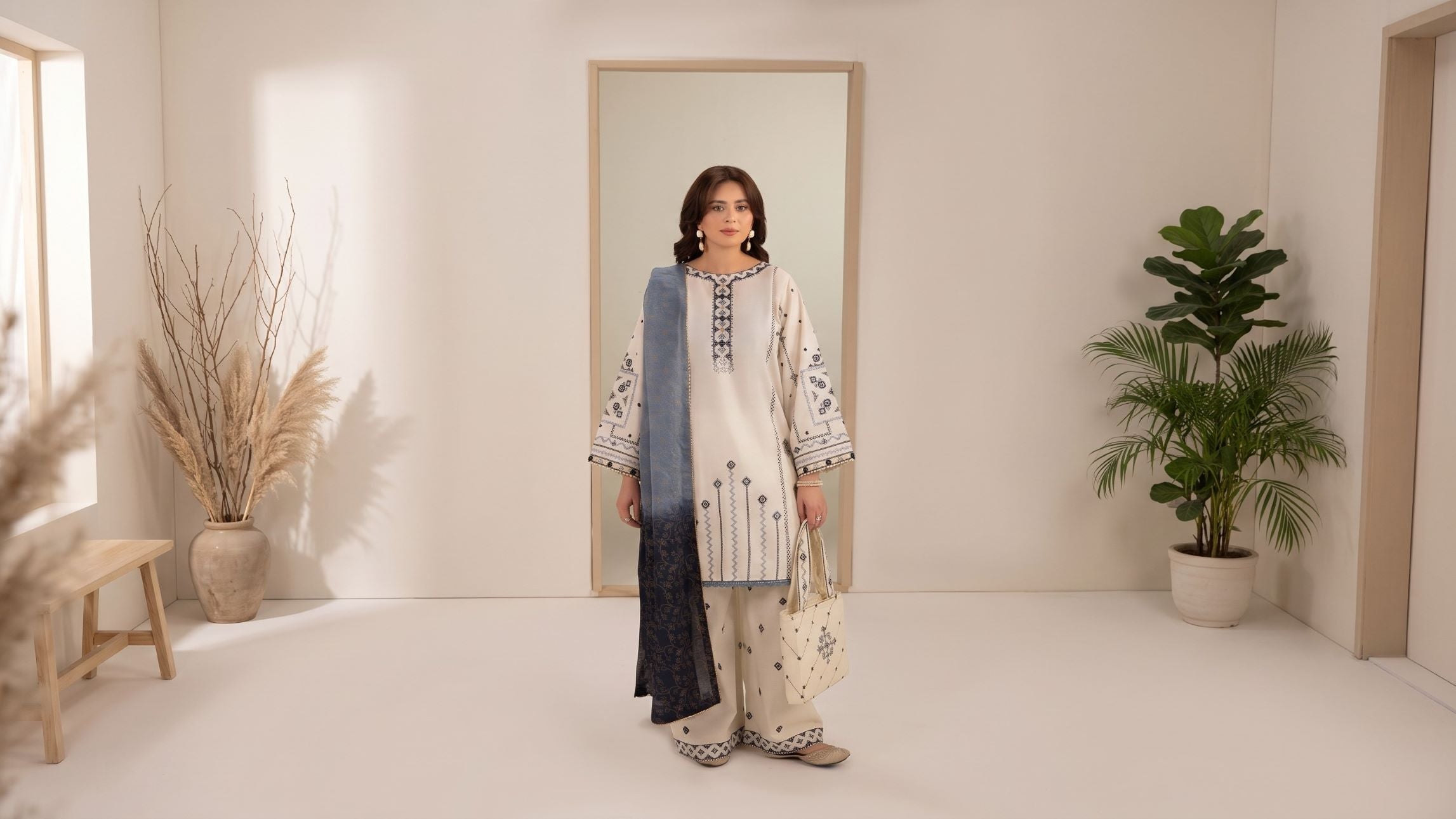
A palazzo set with gota embroidery for a modern, comfortable alternative
Fabric choice matters here too, since heavier materials like velvet can feel uncomfortable during an event involving a lot of standing and dancing.
What Should You Wear to a Barat as a Guest?
Barat events call for more formal, richer attire compared to mehndi, since the ceremony itself is more solemn and photographed extensively. A structured lehenga, a sharara set, or a heavily embroidered gown in deep jewel tones typically fits the occasion well.
Guests should generally avoid colors too close to what the bride might wear, particularly deep red, to prevent any confusion in photographs. Opting for emerald, navy, plum, or royal blue keeps the look formal while staying clearly distinct from bridal wear.
How Should You Dress for a Walima as a Guest?
Walima tends to favor a more refined, softer aesthetic compared to the richer tones seen at barat events. Pastel lehengas, gowns in champagne or dusty rose, and outfits with metallic or sequin detailing work particularly well for this function, making it one of the easier Pakistani wedding outfits for women to style with minimal effort.
Since walima often takes place in the evening at a more formal venue, slightly dressier silhouettes like fitted gowns or structured sharara sets tend to suit the setting better than casual separates. Subtle shimmer or sequin work photographs beautifully under indoor lighting without feeling overly loud.
Which Fabrics Work Best Across Different Wedding Functions?
Fabric choice affects both comfort and how an outfit photographs across a long wedding season. Lighter fabrics like chiffon, organza, and net suit daytime or dance-heavy functions like mehndi, while heavier fabrics like silk, velvet, and raw silk suit formal evening events like barat and walima.
Breathability also matters significantly in Pakistan's climate, especially for outdoor or marquee-style mehndi events held during warmer months. Choosing a fabric that holds embellishment well without feeling stiff makes a noticeable difference in overall comfort throughout a long event.
Winter weddings open up more options for heavier fabrics across every function, since raw silk, velvet, and jamawar hold up well in cooler temperatures without feeling overly warm. Summer weddings, on the other hand, generally benefit from sticking to lighter fabrics even for barat and walima, since heavier materials can quickly become uncomfortable in Pakistan's heat and humidity.
How Do You Choose Pakistani Wedding Guest Dresses Based on Body Type and Comfort?

Flattering silhouettes matter just as much as color and embellishment when choosing wedding wear. A well-fitted shirt paired with a flared skirt or gharara generally works across most body types, while structured lehengas suit those who prefer more defined waistlines.
Comfort should never be sacrificed entirely for style, particularly for functions lasting several hours with standing, dancing, or sitting on the floor involved. Choosing adjustable or slightly looser fits in key areas helps maintain both comfort and appearance throughout a long event.
Sleeve length and neckline also deserve attention beyond pure trend considerations. Three-quarter or full sleeves tend to suit formal evening functions like walima better, while shorter sleeves or sleeveless cuts often work well for mehndi, where ease of movement matters more. These small details are often what separate solid wedding guest dress ideas from outfits that look good only in photos. Choosing a neckline that feels secure during dancing or extended standing avoids the common discomfort of constantly readjusting an outfit throughout the event.
What Are Common Mistakes to Avoid When Choosing Wedding Guest Dresses?
A few recurring mistakes show up repeatedly among wedding guests, often leading to discomfort or outfits that don't photograph as well as intended. Avoiding these early makes the entire experience smoother.
Common mistakes include:
-
Wearing colors too close to the bride's outfit, especially deep red at barat functions.
-
Wearing very heavy fabrics during daytime or energetic events like mehndi can feel uncomfortable.
-
Prioritizing trends over comfort, resulting in outfits that look great in photos but feel restrictive in person.
-
Skipping a trial fitting, which often leads to last-minute alteration stress closer to the event.
Planning outfit choices a few weeks ahead, rather than days before the event, generally avoids most of these issues entirely.
Why Shop Wedding Season Outfits From Zahra Rubab?
Finding the right outfit for each wedding function becomes much easier when a brand actually designs around Pakistani wedding seasons rather than generic occasion wear. Zahra Rubab offers a genuinely wide range of women's clothing built for exactly this kind of versatility, from formal dresses to wedding-specific collections.
For brighter, festive mehndi looks, the brand's semi-formal dresses and pret wear offer lighter, comfortable options that still bring enough color and detail to suit the occasion. When it's time for barat or walima, the dedicated wedding dresses collection brings richer embellishment and more formal silhouettes designed specifically for these higher-stakes events.
Signature collections like Zardozi and Phulkaari bring traditional embroidery techniques into modern silhouettes, while Luxe, Tahwar, and Ittar each offer their own distinct take on formal and semi-formal wedding wear. Every piece reflects a focus on quality craftsmanship and contemporary design, so whichever function you're dressing for, there's likely a piece built with that exact event in mind. If you're planning your wedding season wardrobe, browsing Zahra Rubab's latest collections is a great place to start.
Conclusion
Choosing the right wedding guest dresses Pakistan style for mehndi, barat, and walima comes down to matching color, embellishment, and fabric weight to each function's specific mood and formality level. Getting this balance right means looking appropriately dressed without feeling uncomfortable throughout a long event.
As you plan your outfits for the season, the clear next step is to shortlist wedding dresses for guests based on each function's typical color palette, then try them on well before the event to confirm comfort and fit. That small bit of planning makes the entire wedding season far less stressful when it comes to what to wear.
FAQ’s
-
What colors should guests avoid wearing to a Pakistani wedding?
Guests should generally avoid colors too close to the bride's outfit, especially deep red at barat functions, to avoid confusion in photos and on the day.
-
Can you reuse the same dress for multiple wedding occasions?
While it's not against any strict rule, most guests prefer different outfits for mehndi, barat, and walima because each function has a distinct mood, color palette, and level of formality.
-
What fabric is best for a mehndi function in warm weather?
Lightweight fabrics like chiffon, organza, or net work best for mehndi functions in warm weather, since they stay breathable during dancing and extended standing.
-
How formal should a walima outfit be compared to barat?
Walima outfits are usually slightly more refined and softer in tone compared to barat looks, often featuring pastel shades or metallic detailing rather than heavy jewel-toned embellishment.
-
How early should you start planning your wedding guest outfits?
Planning outfits at least three to four weeks in advance allows enough time for fittings, alterations, and any last-minute styling adjustments before the wedding season begins.